
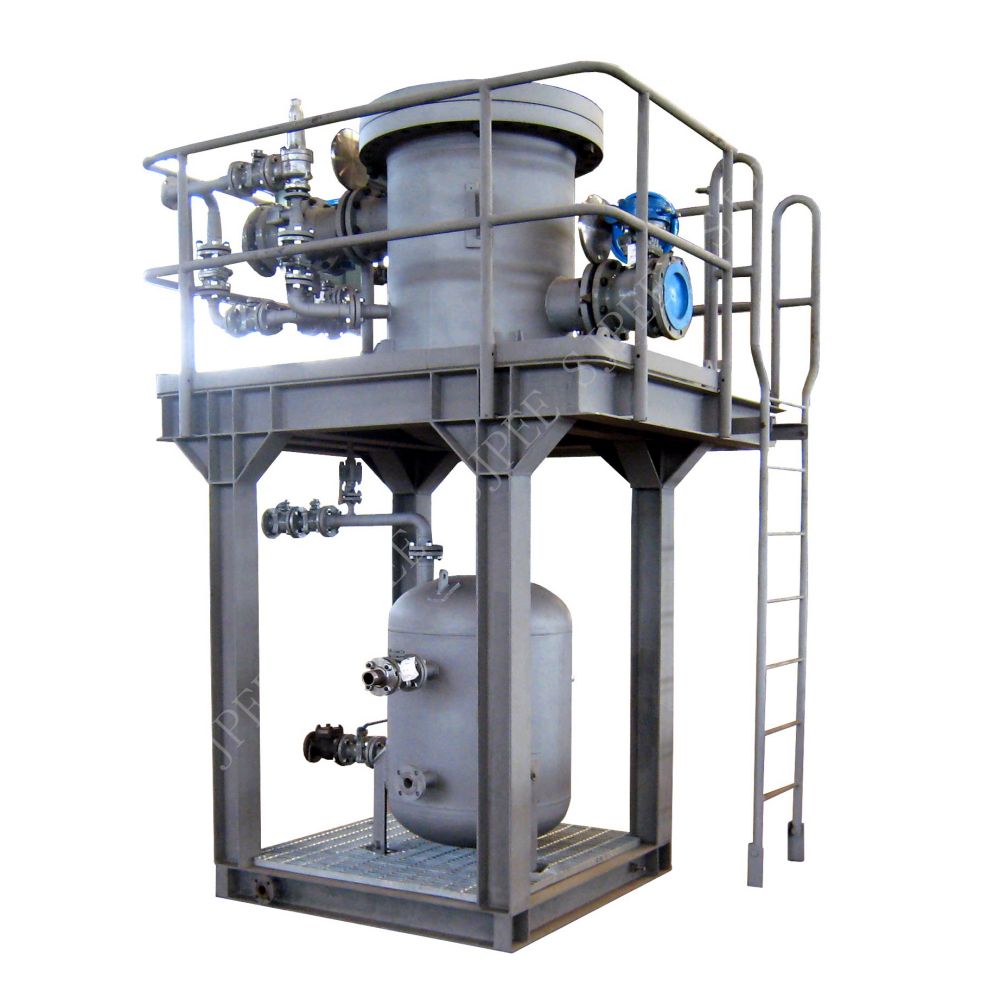
In the ever-evolving oil and gas sector, the demand for advanced separation and filtration technologies has never been greater. Addressing these needs, a leading company dedicated to developing state-of-the-art separation equipment recently unveiled a cutting-edge dewatering technology designed to enhance operational efficiency and environmental compliance within the industry.
The company, renowned for its unwavering commitment to innovation, specializes in a range of separation and filtration solutions that are crucial for oil and gas extraction, processing, and waste management. With a strong technical focus, the company continuously improves its cyclone separation products and technologies, ensuring they meet the rigorous demands of modern operations.
**Meeting Industry Challenges with Advanced Dewatering Solutions**
Dewatering—the process of removing water from solids or liquids—is a critical operation in oil and gas production. Effective dewatering not only facilitates the transportation and disposal of solid residues but also improves the overall quality of recovered hydrocarbons. Traditional dewatering methods often struggle with efficiency, energy consumption, and environmental impact, prompting the need for advanced technologies that can offer superior performance.
The company’s new dewatering technology represents a significant leap forward. Designed to separate water content from oilfield mud, drilling cuttings, and other mixtures with high precision, the equipment incorporates advanced mechanical and fluid dynamics principles to optimize separation efficiency while minimizing energy use.
"Our goal has always been to push the boundaries of separation technology. By refining cyclone separation methods and integrating novel engineering concepts, we have developed a dewatering solution that meets the industry's increasing requirements for operational efficiency and environmental responsibility," said the company’s Chief Technology Officer.
**Innovative Design for Enhanced Operational Efficiency**
At the heart of the technology is an innovative spiral dewatering mechanism that maximizes separation through centrifugal forces and controlled fluid flow paths. This design ensures that solids are thoroughly dried while recovered water is recycled back into the production process, significantly reducing waste and disposal costs.
What sets this dewatering system apart is its modular configuration, allowing it to be easily integrated into existing oil and gas workflows without major restructuring. The compact footprint and robust construction offer operators a flexible solution capable of handling varying throughput volumes and waste compositions.
Furthermore, the equipment employs intelligent sensors and automation technologies, enabling real-time monitoring and adjustments to optimize performance and minimize downtime. This digital integration aligns with the broader industry push towards smart oilfield operations and data-driven decision-making.
**Environmentally Responsible Engineering**
Environmental considerations are paramount in oil and gas operations, particularly in waste management and water treatment. The company’s new dewatering technology addresses these concerns by significantly reducing the volume of liquid waste needing further treatment or disposal.
By efficiently separating water from solids, the system decreases the environmental footprint of drilling and production activities. Recovered water can be treated and reused onsite, reducing freshwater consumption and lowering the risk of soil or groundwater contamination from improper disposal.
The company emphasizes that their product development follows stringent environmental standards and regulatory requirements. “Sustainability is a core value in our engineering philosophy. We design every piece of separation equipment to help our clients meet or exceed environmental compliance, protecting ecosystems and communities around their operations,” noted the company’s Environmental Compliance Manager.
**Proven Performance in Field Deployments**
The new dewatering technology has undergone extensive testing and successful field trials in a variety of challenging environments, from offshore rigs to onshore unconventional plays. Feedback from operators highlights improvements in handling capacity, lower operational costs, and better waste stream management.
A recent deployment at a major exploration site demonstrated a 30% increase in water separation efficiency compared to traditional dewatering methods. Operators also reported a marked reduction in equipment fouling and maintenance intervals, contributing to greater uptime and productivity.
Industry analysts recognize the technology’s potential to set new standards in oilfield separation equipment. “Innovations like these help producers optimize resource use and reduce operational risks, which is crucial as the industry faces increasing environmental scrutiny and economic pressures,” commented an energy sector technology expert.
**Ongoing Commitment to Technological Advancement**
With this latest development, the company reaffirms its dedication to continuous innovation in separation and filtration technologies. Their research and development teams are actively exploring enhancements involving advanced materials, machine learning algorithms for process optimization, and integration with broader smart oilfield systems.
The company’s extensive portfolio now spans a wide range of cyclone separators, filters, and dewatering equipment tailored to various oil and gas applications—from upstream drilling fluids treatment to midstream process water handling.
“Our vision is to remain at the forefront of separation technology, delivering solutions that enhance operational performance, safety, and sustainability for our clients worldwide. The introduction of this advanced dewatering system is a testament to that commitment,” the company’s CEO stated.
**Conclusion**
As the oil and gas industry adapts to new technical, economic, and environmental challenges, innovative separation and filtration equipment will play an increasingly vital role. The company’s latest dewatering technology exemplifies how targeted engineering advancements can drive improved efficiency and sustainability in complex industrial processes.
By leveraging decades of expertise in cyclone separation and a forward-looking approach to product development, the company continues to support the oil and gas sector’s efforts to optimize resources, reduce waste, and protect the environment—cementing its position as a trusted partner for separation solutions worldwide.