
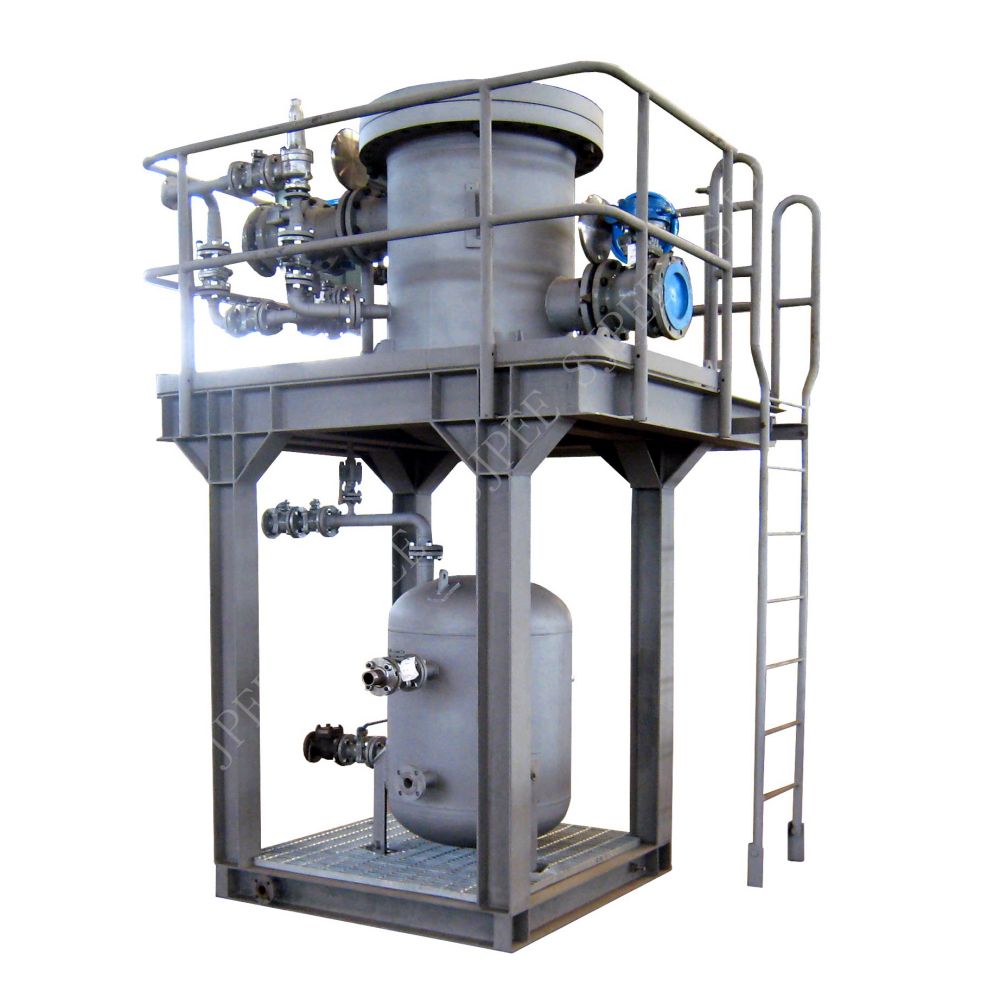
In response to the increasing demand for efficient and environmentally responsible management of tailings ponds, the company has announced a significant advancement in its tailings ponds dewatering technology. Building upon years of expertise in separation and filtration equipment tailored for the oil and gas sector, the company continues to lead the way in developing cutting-edge solutions that address both operational efficiency and sustainability challenges.
### Addressing the Challenge of Tailings Ponds
Tailings ponds, a byproduct of mining and oil extraction processes, present complex environmental and logistical challenges. These ponds hold a mixture of water, fine particles, and residual hydrocarbons, which require effective treatment before disposal or reuse. Improper management can lead to soil and water contamination, posing risks to wildlife and nearby communities.
Dewatering these tailings ponds – the process of removing water to concentrate the solid waste – is a critical step in minimizing environmental impact and reducing volume, thereby facilitating safer storage or reclamation. Traditional dewatering methods, however, often fall short in handling the unique characteristics of tailings mixtures efficiently, sometimes resulting in prolonged processing times and higher costs.
### Company’s Commitment to Industry-Leading Separation Technologies
The company, with a longstanding dedication to advancing separation and filtration technology for the oil and gas industry, is uniquely positioned to tackle these issues. Its engineering teams have relentlessly pursued innovations in cyclone separation technology, a critical component in many dewatering and filtration applications. Cyclone separators leverage centrifugal force to efficiently separate solid particles from fluids, making them an ideal choice in treating slurry and tailings.
Continuous improvements in design and process optimization have enabled the company to enhance cyclone separation performance, achieving higher separation efficiency, reduced energy consumption, and greater operational reliability. These developments have directly translated into practical benefits for customers managing challenging waste streams like tailings ponds.
### Introducing the New Tailings Ponds Dewatering Solution
The newly introduced tailings ponds dewatering solution synthesizes the company’s expertise in separation science with innovations in filtration technologies. At its core, the system incorporates advanced cyclone separators engineered specifically to handle the fine particulate matter and complex mixtures commonly found in tailings.
Complementing the cyclones are state-of-the-art filtration units designed to polish the recovered water for reuse or safe discharge. These filters incorporate robust media and self-cleaning mechanisms to maintain high throughput and reduce maintenance intervals, ensuring continuous operation in demanding environments.
Key features of the dewatering system include:
- **Enhanced Solid-Liquid Separation Efficiency:** Optimized cyclone designs maximize removal of fine solids, reducing residual moisture in the tailings and shrinking the volume of stored waste.
- **Scalability and Customization:** The modular system is adaptable to various scales of operation, accommodating different pond sizes and tailings compositions.
- **Energy-Efficient Operation:** Process innovations minimize power consumption, lowering operational costs and carbon footprint.
- **Improved Water Recovery:** Integration of advanced filtration improves water clarity and quality, enabling higher levels of water reuse.
- **Robust Construction for Harsh Environments:** Equipment is built to withstand corrosive and abrasive conditions typical in oil and gas and mining operations, ensuring longevity and reliability.
### Environmental and Operational Benefits
This new tailings ponds dewatering solution represents a significant step forward in sustainable resource management within the oil and gas sector. By reducing the volume and water content of tailings, companies can minimize the physical footprint of their ponds, decreasing risks of leaks or breaches. Additionally, reclaiming clean water supports water conservation efforts in often water-stressed regions.
From an operational standpoint, the system’s high efficiency leads to faster processing times and reduced chemical usage, cutting overall treatment costs. Its modular design enables seamless integration into existing site infrastructure, facilitating upgrades without large capital expenditures or downtime.
### Industry Feedback and Future Directions
Early adopters of the system have reported positive outcomes, noting improved dewatering performance and streamlined tailings management. The company remains committed to gathering field data and customer feedback to refine the technology further.
Looking ahead, ongoing research aims to enhance automation and remote monitoring capabilities, allowing for smarter, data-driven operation and predictive maintenance. Integrating digital controls and sensors can optimize process parameters in real-time, improving performance consistency and response to variable feed conditions.
Furthermore, collaboration with environmental agencies and industry partners will continue to ensure that the technology not only meets regulatory standards but also pioneers best practices in responsible tailings management.
### Conclusion
As environmental concerns and regulatory pressures mount, oil and gas companies must adopt advanced, effective technologies to handle tailings ponds safely and sustainably. Leveraging decades of expertise in separation and filtration equipment development, the company’s innovative tailings ponds dewatering solution offers a timely, practical answer to these challenges.
By combining enhanced cyclone separation technology with cutting-edge filtration and robust system design, the company empowers its clients to improve operational efficiency, reduce environmental risks, and champion sustainable resource management. This advancement underscores the company’s broader commitment to driving technological progress and environmental stewardship in the oil and gas industry.
---
For more information on the company’s tailings ponds dewatering technology and other separation equipment solutions, stakeholders are encouraged to contact the company directly or visit the corporate website.