
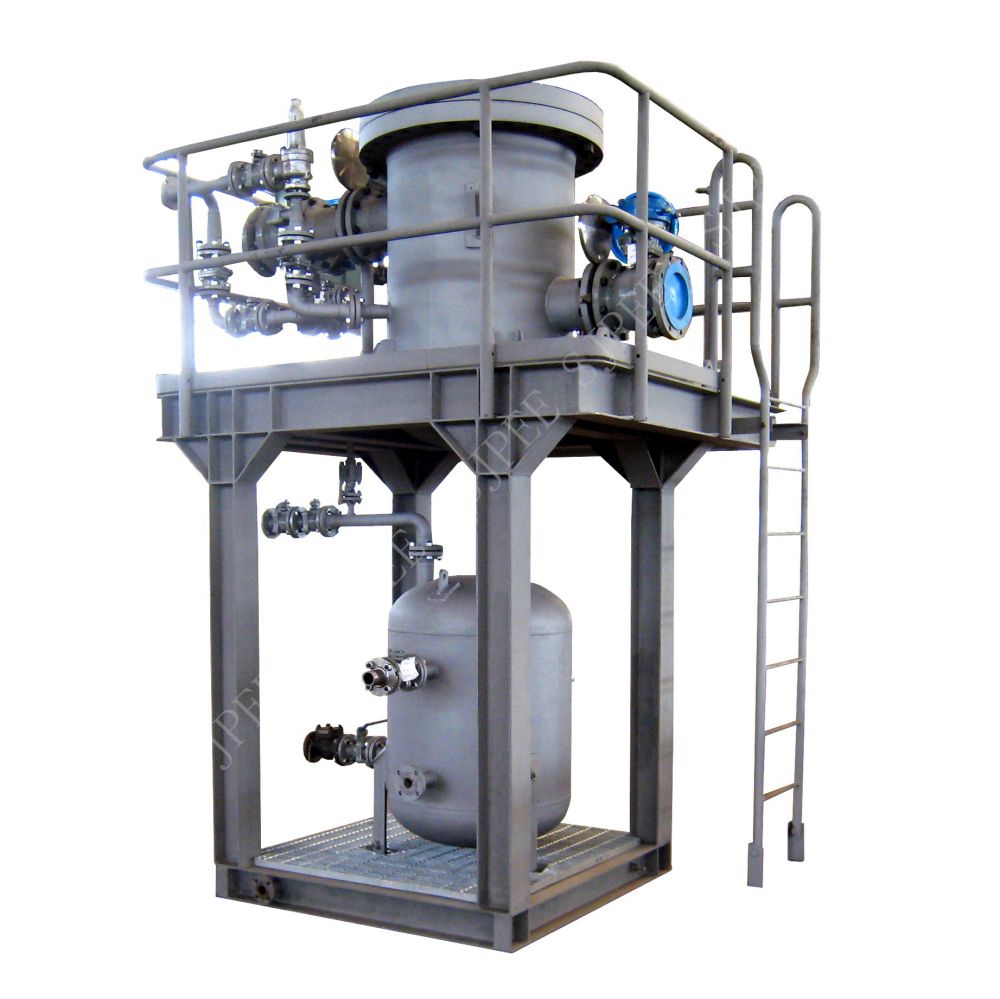
In today’s rapidly evolving oil and gas sector, the demand for efficient, reliable, and high-performance separation equipment has never been greater. Fine quartz sand, a critical material widely used in the industry, particularly in hydraulic fracturing and well completion processes, requires specialized handling to ensure purity and performance. Addressing this need, companies dedicated to the development of advanced separation and filtration equipment are setting new standards and driving technological progress.
The company, known for its steadfast commitment to innovation and quality, has been at the forefront of developing various separation and filtration solutions tailored for the oil and gas industry. At the core of its technical expertise lies the continuous development and enhancement of cyclone separation products—technology renowned for its effectiveness in particle separation due to centrifugal forces.
### The Vital Role of Fine Quartz Sand in Oil and Gas
Fine quartz sand is an indispensable ingredient in hydraulic fracturing, commonly known as fracking. It serves as a proppant, holding open fractures in underground rock formations to facilitate the extraction of oil and gas. The quality of this sand directly impacts the efficiency and safety of the fracking process. Therefore, ensuring the sand’s cleanliness—free from clay, silt, and other impurities—is crucial.
Contaminants in fine quartz sand can reduce the permeability of the fractures, leading to diminished hydrocarbon yields and increased operational costs. Consequently, state-of-the-art separation and filtration technologies are essential to guarantee that only high-purity sand reaches the process.
### Continuous Innovation in Separation Equipment
Recognizing these challenges, the company has focused its efforts on producing cutting-edge separation solutions that meet the stringent requirements of the oil and gas sector. Its research and development teams have specialized in cyclone separation equipment, which utilizes the principles of centrifugal force to efficiently segregate particles based on size and density.
Cyclone separators work by introducing a slurry or particle-laden fluid into a cylindrical or conical chamber at high velocity, creating a vortex. The heavier particles, such as quartz sand, move outward against the chamber walls and descend, whereas lighter impurities follow the fluid to the outlet. This simple yet highly effective mechanism allows for precise separation without the need for chemical additives or extensive maintenance.
Through iterative design improvements and materials advancements, the company has optimized the geometry, flow dynamics, and wear resistance of its cyclone separators. These enhancements have resulted in increased separation efficiency, reduced operational downtime, and extended equipment lifespan, all vital for offshore and onshore oilfield applications.
### Expanding Applications and Custom Solutions
Beyond the core cyclone technology, the company has expanded its portfolio to include a wide range of filtration equipment, tailored for complex oil and gas processes. These systems address the removal of fine particulates, emulsions, and other contaminants that can impair equipment and product quality.
Custom engineering is a hallmark of the company’s approach. By collaborating closely with clients, the engineering team assesses specific project requirements and environmental conditions to design bespoke solutions. This client-focused methodology ensures that each piece of equipment not only optimizes the workflow but also integrates seamlessly into existing infrastructure.
### Commitment to Sustainable and Safe Operations
In addition to technical excellence, the company places significant emphasis on sustainability and safety. The improved separation efficiency achieved through its equipment reduces the volume of waste and simplifies the disposal or recycling of residual materials. This contributes to minimizing environmental impact and helps clients comply with increasingly rigorous regulatory standards.
Safety is paramount in the oil and gas industry, and reliable separation equipment reduces the risk of equipment failures caused by blockages or abrasion. By delivering robust and dependable machinery, the company helps operators maintain safer working environments and avoid costly interruptions.
### Industry Recognition and Forward Vision
Over the years, the company’s dedication to advancing separation technology has garnered industry recognition and trust. Its products are extensively used in a variety of settings, from large-scale offshore rigs to land-based drilling operations, underscoring the versatility and reliability of its designs.
Looking ahead, the company continues to invest in research and development, exploring innovations such as automation, real-time monitoring, and environmentally friendly materials. These efforts aim to further enhance the efficiency, adaptability, and sustainability of separation processes in the oil and gas sector.
### Conclusion
The escalating complexity of oil and gas extraction demands separation and filtration equipment that combines precision, durability, and adaptability. With fine quartz sand playing a pivotal role in maintaining production efficiency, the need for cutting-edge technology that ensures its purity is clear.
By continuously refining cyclone separation products and expanding its filtration technologies, the company exemplifies leadership and innovation. Its commitment to developing specialized equipment not only improves operational performance but also fosters safer, more sustainable practices in the industry.
As the oil and gas landscape transforms with new challenges and opportunities, companies investing in advanced separation solutions will remain key partners in driving growth and success. The ongoing evolution of fine quartz sand processing, enabled by technological advancements, stands as a testament to the critical role played by dedicated innovators in the field.