
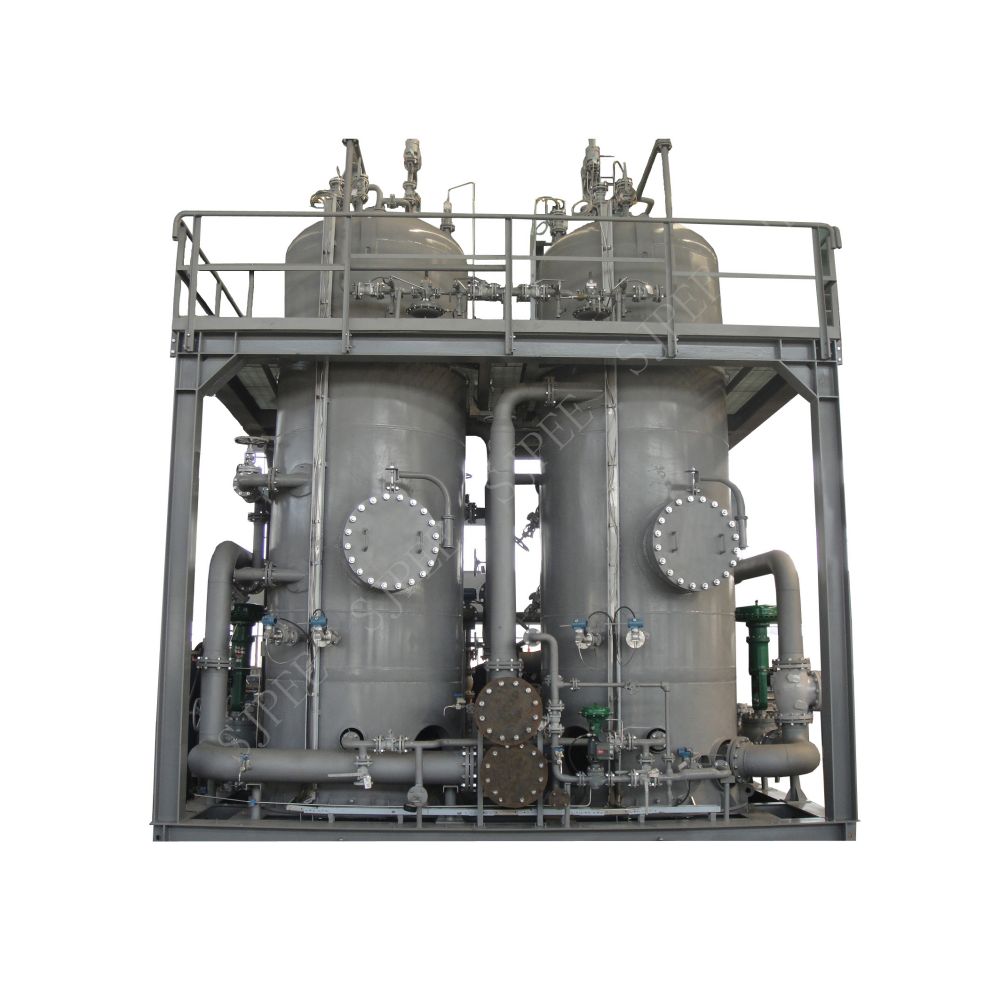
In the ever-evolving oil and gas industry, the demand for efficient and reliable separation technologies has never been greater. Among the critical processes in this sector, gas-solid separation plays a pivotal role in ensuring operational efficiency, environmental compliance, and equipment longevity. Leveraging decades of experience and a steadfast commitment to technological innovation, a leading developer of separation and filtration equipment is making significant strides in advancing gas-solid separation solutions that meet the rigorous demands of modern oil and gas applications.
### The Crucial Role of Gas-Solid Separation
Gas-solid separation is essential in numerous stages of oil and gas production, including upstream extraction, midstream processing, and downstream refining. During these processes, solid particles such as dust, sand, and catalyst residues are often entrained within gas streams. The effective removal of these solids is critical to protect downstream equipment like compressors, turbines, and pipelines from erosion and fouling, which can lead to costly maintenance, operational downtime, and safety hazards.
Additionally, stringent environmental regulations require that emissions from oil and gas facilities meet specified limits on particulate matter to minimize air pollution and ensure public safety. As a result, the implementation of high-performance separation equipment not only enhances process reliability but also supports regulatory compliance and sustainability goals.
### Continuous Innovation in Cyclone Separation Technology
At the forefront of gas-solid separation technology, the company has dedicated substantial resources to the development and refinement of cyclone separators. Cyclone separators are mechanical devices that utilize centrifugal force to separate solid particles from gas streams without the need for filters or other consumable components. Their robustness, low maintenance requirements, and adaptability to a wide range of operating conditions make them a popular choice throughout the oil and gas industry.
Recognizing the pivotal role of cyclone separators, the company's technical teams have been engaged in continuous research and development to optimize cyclone design for enhanced separation efficiency and reliability. This includes advancements in the geometry of separators, such as improved inlet shapes and vortex finder configurations, which minimize pressure drop while maximizing particulate capture rates.
Moreover, innovative materials and manufacturing techniques have been employed to increase the durability and corrosion resistance of cyclone units, enabling their use in increasingly harsh environments encountered in oil and gas operations. These technological enhancements result in longer service life and reduced maintenance expenses, directly contributing to lower total cost of ownership for end users.
### Broader Range of Separation and Filtration Solutions
In addition to cyclone separators, the company offers a comprehensive portfolio of separation and filtration equipment designed to address diverse requirements within the oil and gas sector. This includes advanced filtration systems capable of removing fine particulates and aerosols that might bypass cyclone units, as well as specialized separators configured for unique process conditions.
Integrating these technologies in tailored arrangements allows customers to achieve multi-stage separation sequences, ensuring thorough gas-solid removal with minimal pressure loss. Such customized solutions demonstrate the company's commitment to flexibility and customer-centric service, enabling clients to optimize their processes according to specific operational parameters.
### Commitment to Industry Needs and Environmental Standards
The oil and gas industry faces increasing pressure to reduce emissions, improve process efficiency, and minimize environmental impact. The company’s ongoing efforts to enhance separation technologies contribute significantly toward meeting these objectives. By improving solid particle removal efficiency, its equipment helps decrease particulate emissions and reduces wear on critical machinery, thereby lowering the risk of unplanned outages and leaks.
Moreover, the company stays closely attuned to evolving regulatory landscapes and emerging industry challenges, ensuring that its products are not only compliant but also forward-looking. This proactive approach fosters long-term partnerships with customers who rely on the company for dependable solutions that support both operational excellence and sustainable practices.
### Looking Ahead: Future Trends in Gas-Solid Separation
As digitalization and automation become increasingly integral to oil and gas operations, the company is exploring ways to incorporate smart sensing and control technologies into its separation equipment. Real-time monitoring of separator performance and predictive maintenance capabilities have the potential to further enhance reliability and reduce operating costs.
Additionally, research into novel separation principles and hybrid systems promises to expand the range of applications where gas-solid separation can be effectively applied. The company’s robust R&D pipeline positions it to remain a leader in this space, delivering next-generation technologies that sustain the vitality and environmental responsibility of the oil and gas industry.
### Conclusion
Gas-solid separation remains a cornerstone of efficient and sustainable oil and gas production. Through relentless innovation in cyclone separation and filtration technologies, the company continues to provide industry-leading equipment tailored to meet complex operational demands. Its dedication to quality, durability, and regulatory compliance ensures that customers benefit from enhanced process performance and reduced environmental impact, thereby securing a competitive advantage in a challenging marketplace.
As the oil and gas sector navigates the evolving energy landscape, the company’s expertise and technological advancements in gas-solid separation will continue to play a vital role in driving progress and safeguarding the environment for years to come.