
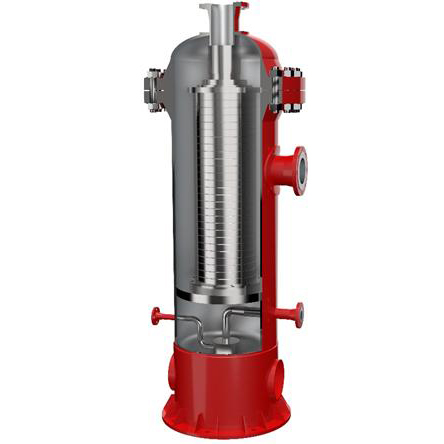
In the ever-evolving oil and gas industry, efficient separation and filtration technologies remain critical to operational success and environmental compliance. Recently, significant strides have been made in sludge dewatering – a vital process that enhances waste management, reduces environmental impact, and optimizes resource recovery. A leading company, well-regarded for its dedication to developing various separation and filtration equipment, has once again underscored its commitment to innovation by advancing sludge dewatering technologies alongside its hallmark cyclone separation products.
**Rising Importance of Sludge Dewatering in Oil and Gas**
The management of sludge – a byproduct of numerous industrial processes including drilling, refining, and wastewater treatment – poses both operational and environmental challenges. Sludge typically contains a mixture of water, hydrocarbons, solids, and other contaminants, making it difficult to handle and dispose of safely. The process of dewatering helps in significantly reducing the water content from sludge, thereby lowering its volume and weight, simplifying transportation, and enhancing the efficiency of subsequent treatments or disposal methods.
Efficient sludge dewatering translates to substantial cost savings and environmental benefits. It reduces disposal fees, minimizes hazardous waste generation, and decreases the potential for soil and water contamination. As industries worldwide face stricter environmental regulations and growing pressure to adopt sustainable practices, advancements in sludge dewatering technologies have become an area of intense focus.
**Company Commitment to Separation and Filtration Advancement**
At the forefront of these advancements is a company renowned for its persistent innovation in separation and filtration equipment tailored for the oil and gas sector. The organization has carved a niche by continuously developing products designed to meet the rigorous demands of crude oil processing, natural gas treatment, and production wastewater management. Their technical expertise predominantly lies in cyclone separation technology – devices that utilize centrifugal force to separate particles from fluids, offering high efficiency without relying on consumables or complex maintenance.
Recognizing the complementary nature of sludge dewatering with their existing product portfolio, the company has expanded its research and development efforts to integrate advanced sludge dewatering solutions. Their engineering teams are leveraging lessons learned from cyclone technology improvements to address the unique challenges posed by sludge treatment, such as variable sludge composition, high solids content, and the presence of emulsified oils.
**Technological Breakthroughs in Sludge Dewatering**
Recent innovations have introduced enhanced mechanical dewatering systems that optimize solid-liquid separation processes. These systems offer adjustable parameters to accommodate different sludge characteristics, ensuring maximum water removal while preserving as much recoverable material as possible. Innovations include improved centrifuge designs, screw presses, and filter presses equipped with smart controls and real-time monitoring to adapt to fluctuations in sludge quality.
Furthermore, the integration of these dewatering units with upstream cyclone separators creates a synergistic effect, wherein initial bulk separation removes coarse solids and droplets, facilitating more efficient downstream dewatering. The company’s holistic approach to equipment integration enhances process reliability and reduces downtime, a critical factor in offshore and remote oil and gas operations.
**Environmental and Economic Impact**
The benefits of improved sludge dewatering extend beyond operational efficiency. By drastically reducing the volume of sludge, companies can lower greenhouse gas emissions associated with transportation and disposal. Moreover, the dewatered solids often have lower toxicity levels, enabling safer disposal or potential reuse in applications such as soil conditioning or construction materials.
Economically, the reduction in sludge volume and improved water recovery also means that companies can achieve substantial cost savings. Reducing the handling and treatment costs of liquid waste streams helps operators maintain competitive margins in a market that increasingly demands both economic and environmental performance.
**Looking Ahead: Future Developments**
The company’s continued dedication to research ensures that sludge dewatering technology will keep pace with evolving industry requirements. Plans include the development of smarter, automated dewatering systems that utilize machine learning algorithms to optimize operation dynamically. Additionally, efforts are underway to explore hybrid solutions combining mechanical separation with chemical or biological treatments to manage particularly challenging sludge types.
With a strong foundation in cyclone separation and filtration, the company is well-positioned to lead the industry in delivering integrated solutions that support sustainable oil and gas production. Their commitment reflects a broader trend towards innovation-driven environmental stewardship, which is essential to the industry’s long-term viability.
**Conclusion**
Sludge dewatering stands as a critical challenge and opportunity within the oil and gas sector. Thanks to continued advancements by pioneering companies dedicated to separation and filtration technology, the process is becoming more efficient, cost-effective, and environmentally friendly. By building on a legacy of cyclone separation innovation, these new dewatering solutions are poised to significantly enhance waste management practices and contribute to the sustainable future of the industry. As regulatory pressures tighten and operational demands grow, such technological progress ensures that industry players can meet these challenges head-on while optimizing performance and minimizing environmental impact.