
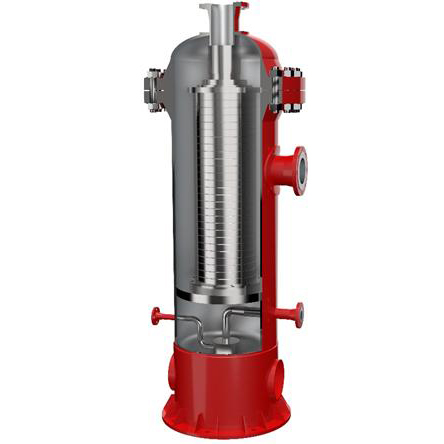
In the ever-evolving oil and gas sector, efficient separation and filtration processes are critical for operational success and environmental compliance. Recently, significant advancements in sludge dewatering technology have been making waves across the industry, promising to improve efficiency, reduce operational costs, and minimize environmental impact.
The sludge dewatering process is essential for managing waste generated during oil and gas extraction and processing. By reducing the water content in sludge, operators can decrease the volume of waste, making disposal easier and more cost-effective while ensuring compliance with stringent environmental regulations. These new developments in sludge dewatering equipment show great potential to streamline the treatment of drilling fluids, produced water, and other by-products common in oilfield operations.
A company at the forefront of these technical innovations has consistently focused on developing various separation and filtration equipment tailored to the oil and gas industry’s unique needs. With a deep-rooted commitment to research and engineering, the company specializes in continuously improving cyclone separation technologies—devices that use centrifugal forces to separate solids from liquids efficiently.
Cyclone separators play a fundamental role in pre-treating fluid streams within oil and gas operations. By enhancing cyclone designs, the company has not only increased separation efficiency but also improved the durability and operational flexibility of the equipment. These advances help in managing complex fluid mixtures encountered in drilling and production processes, reducing downtime and maintenance costs for operators.
The integration of enhanced sludge dewatering units with advanced cyclone separators has created synergies that significantly boost overall separation efficiency. This combination enables oil and gas companies to handle larger volumes of contaminated fluids while ensuring higher clarity and solids removal rates from processed water. As a result, operators can recycle more water back into the system or release it safely into the environment, aligning operations with sustainability goals.
In addition to technical improvements, the company designs its equipment with user-friendly interfaces and automation capabilities. Automation facilitates real-time monitoring and control of separation processes, optimizing performance and allowing operators to respond swiftly to changing conditions in the field. The flexibility of these solutions proves beneficial for varying well sizes, fluid compositions, and operational scales across the oilfield landscape.
Environmental stewardship remains a core driver behind the pursuit of advanced sludge dewatering solutions. The industry faces increasing pressure to reduce its ecological footprint, manage waste responsibly, and comply with evolving regulatory frameworks. Enhanced separation and dewatering technologies enable operators to minimize hazardous waste volumes and improve the quality of discharge water, supporting both regulatory compliance and corporate sustainability initiatives.
The economic benefits of improved sludge dewatering systems extend beyond waste management. By recovering more usable water and reducing sludge transport and disposal costs, oil and gas companies can achieve significant operational savings. Furthermore, reliable and efficient separation equipment lowers the risk of equipment failures and unplanned shutdowns, contributing to smoother production cycles and higher uptime.
Looking forward, continuous innovation in separation and filtration equipment remains paramount for meeting the sector’s future challenges. Industry demands for more efficient, compact, and automated solutions are driving ongoing research and development efforts. The company’s dedication to enhancing cyclone technology and expanding its portfolio of separation equipment positions it as a critical partner for oil and gas operators aiming to optimize their fluid management systems.
In conclusion, advancements in sludge dewatering technology, combined with sophisticated cyclone separation solutions, are transforming waste management practices within the oil and gas industry. These innovations help operators achieve greater efficiency, reduce environmental impact, and lower operational costs, making a vital contribution to the industry's sustainable development goals. With experienced engineering teams and a commitment to continuous improvement, the company is well-equipped to support the sector's evolving needs and drive progress in separation technology.
As the oil and gas industry strives to adapt to increasing environmental regulations and economic pressures, the role of advanced separation and filtration equipment will become ever more critical. Leveraging cutting-edge technologies ensures that operators can meet performance expectations while safeguarding natural resources and promoting responsible production practices across global energy markets.