
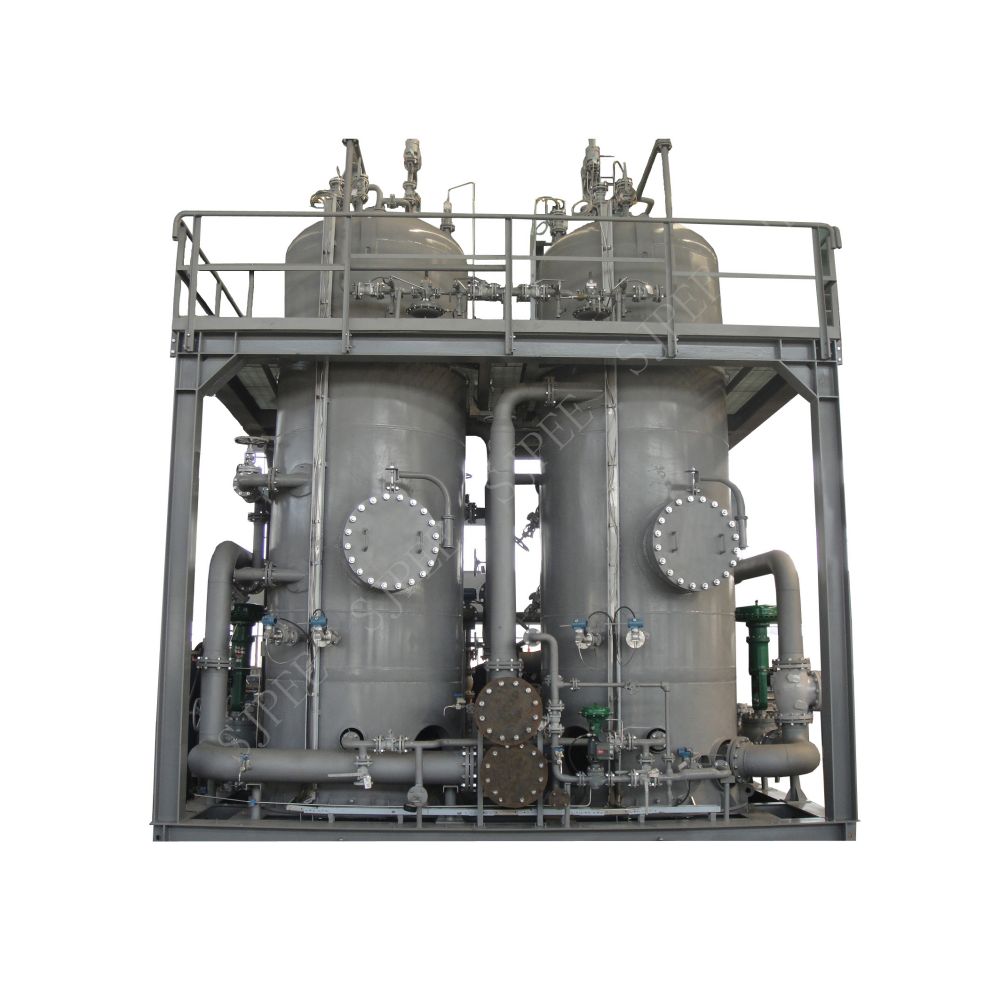
In recent years, the oil and gas industry has witnessed significant technological advancements aimed at improving operational efficiency and environmental compliance. One critical area of innovation is sludge dewatering—a process essential for managing waste materials produced during extraction and refining activities. Industry leaders are focusing on developing and enhancing equipment that not only optimizes sludge handling but also contributes to sustainable and cost-effective operations.
At the forefront of this development is a company dedicated to delivering cutting-edge separation and filtration solutions tailored to the stringent requirements of the oil and gas sector. This company has established a strong reputation for its commitment to innovation in separation technologies, particularly cyclone separators, which have become indispensable in various stages of oil and gas processing.
Sludge dewatering is the process of removing water from sludge—a semi-solid slurry generated as a byproduct of drilling, extraction, and refining activities. Efficient dewatering reduces the volume and weight of sludge, facilitating easier handling, transportation, and disposal, while minimizing environmental impact. Given the complex nature of sludge in the oil and gas industry, which often contains hydrocarbons, heavy metals, and other contaminants, advanced dewatering technologies are necessary to meet regulatory standards and operational demands.
The company’s focus on separation equipment, including advanced cyclone separators, plays a pivotal role in addressing these challenges. Cyclone separators utilize centrifugal forces to separate solids from liquids with remarkable efficiency. Their compact design, robustness, and ability to handle high flow rates make them ideal for the rigorous conditions commonly encountered in oil and gas operations.
Continuous technical development has enabled the company to enhance the performance of its separation products. Innovations include improved cyclone geometries, materials resistant to corrosion and abrasion, and integration with automated control systems for real-time monitoring and optimization. These advancements result in higher separation efficiency, reduced maintenance requirements, and extended equipment lifespan.
Incorporating these advanced cyclone separators into sludge dewatering systems offers multiple benefits. Firstly, they provide superior solid-liquid separation, increasing the concentration of solids in the sludge cake and significantly reducing moisture content. This not only lowers waste disposal costs but also reduces environmental liabilities by minimizing the volume of hazardous waste. Secondly, improved separation contributes to recycling efforts by enabling the recovery of valuable hydrocarbons from wastewater streams. This supports circular economy principles and aligns with industry trends toward sustainability.
Moreover, the company’s commitment to research and development ensures that its solutions evolve in response to emerging industry needs. By closely collaborating with clients and industry stakeholders, the company tailors its equipment to specific operational environments, whether offshore platforms, onshore refineries, or pipeline stations. Customization enhances process efficiency and ensures compliance with local environmental regulations.
The importance of sludge dewatering technology extends beyond operational efficiency; it is integral to the industry’s environmental stewardship. Proper sludge management mitigates the risks of soil and water contamination, protecting surrounding ecosystems and communities. Advanced separation equipment plays a crucial role in achieving these environmental objectives by enabling effective treatment and minimizing residual waste.
In addition to cyclone separators, the company also provides a comprehensive range of filtration equipment designed to complement sludge dewatering processes. These include filter presses, belt filter units, and membrane filtration systems, all engineered to handle the diverse and challenging waste streams typical in oil and gas operations. The integration of these technologies allows for multi-stage treatment processes that optimize resource recovery and waste minimization.
Looking ahead, ongoing digitalization and automation trends in the oil and gas sector present opportunities to further enhance sludge dewatering systems. The company is actively exploring smart technologies such as IoT-enabled sensors and data analytics to monitor equipment performance and predict maintenance needs. These advancements promise to improve reliability, reduce downtime, and optimize operational costs.
In summary, the development of innovative sludge dewatering technology marks a significant step forward for the oil and gas industry. By leveraging advanced separation and filtration equipment, particularly improved cyclone separators, operators can achieve more efficient waste handling, cost savings, and better environmental outcomes. The company’s steadfast dedication to technical innovation and tailored solutions underpins its leadership in this vital area of industrial process technology.
As global energy demands and environmental standards continue to evolve, the role of efficient sludge dewatering systems will only grow in importance. Industry stakeholders can look forward to ongoing advancements that not only address current challenges but also pave the way for more sustainable and responsible oil and gas operations worldwide.