
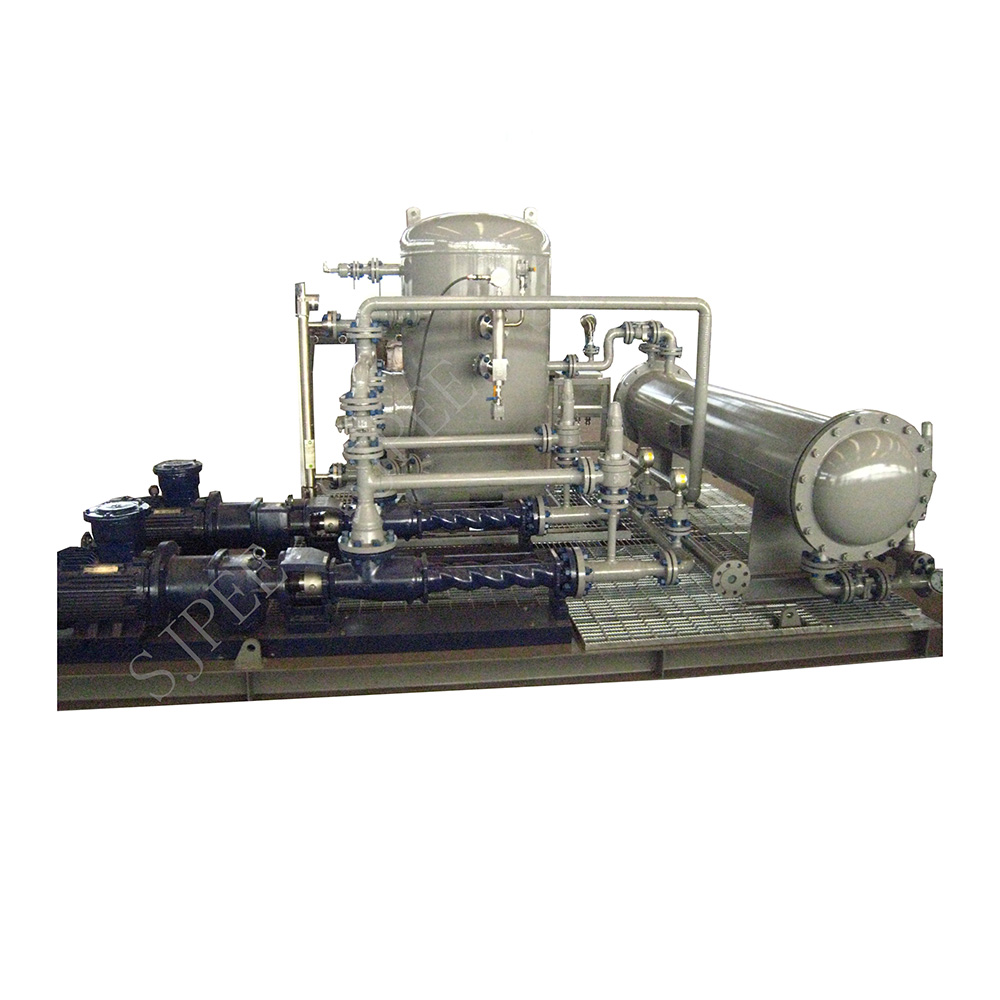
In response to growing demands for efficient water management in excavation projects within the oil and gas sector, the industry is witnessing significant advancements in dewatering technologies. Excavation dewatering—a critical process that involves the removal of water from excavation sites to ensure safe and effective construction and operational activities—has become increasingly sophisticated. Companies specializing in separation and filtration equipment are at the forefront of delivering these innovative solutions, enhancing operational efficiency while supporting environmental sustainability.
### Meeting the Challenges of Excavation Dewatering
Excavation sites often face challenges posed by groundwater, surface water, or accumulated rainwater which can impede construction progress and compromise site safety. Effective dewatering is essential not only for creating dry and stable conditions but also for protecting equipment and minimizing delays. This requirement is particularly acute in the oil and gas industry, where complex infrastructure must be developed under strict timelines and regulatory frameworks.
Dewatering typically involves a series of processes such as pumping, filtration, and separation to remove sediments, oils, and other contaminants from water before it is discharged or recycled. As environmental concerns grow and regulations tighten, the need for advanced technologies that can efficiently separate solids and hydrocarbons from water without harming the environment has become more pressing.
### Advanced Separation Technologies Driving Innovation
At the heart of the latest breakthroughs in excavation dewatering are separation technologies that allow for more effective filtration and sediment removal. One company, with a longstanding commitment to developing specialized separation and filtration equipment for the oil and gas industry, has been continuously innovating in this space. Leveraging its expertise in cyclone separation technologies, the company has introduced state-of-the-art solutions designed to address the unique challenges faced in excavation dewatering.
Cyclone separators utilize centrifugal forces to separate suspended solids and hydrocarbons from water, making them highly effective in treating excavation water contaminated with drill cuttings, clay, sand, and oil residues typical of oil and gas operations. These devices are valued for their robustness, minimal maintenance requirements, and ability to handle high flow rates, all of which contribute to improved site productivity and reduced environmental impact.
### Tailored Solutions for Complex Oil and Gas Applications
The company’s approach focuses on the customization of separation equipment to meet specific project requirements. Understanding that no two excavation sites are the same, their engineering teams work closely with clients to design solutions optimized for local soil conditions, water contamination levels, and flow rates. By integrating advanced cyclone separation products into dewatering systems, they ensure maximum removal efficiency of solids and hydrocarbons, which in turn facilitates safer water discharge and reuse.
In addition to cyclone separators, the company has expanded its product portfolio to include filtration systems that further polish the water after initial separation. These multi-stage treatment processes comply with stringent environmental standards, allowing operators to minimize water consumption and reduce the volume of waste requiring disposal. This not only lowers operational costs but also aligns with the industry's increasing focus on sustainable practices.
### Enhancing Operational Efficiency and Environmental Stewardship
The adoption of advanced excavation dewatering technologies yields multiple benefits for the oil and gas sector. First and foremost, it reduces downtime caused by water accumulation, enabling faster excavation and construction progress. Secondly, efficient water treatment can significantly decrease the need for fresh water input and diminish the environmental footprint of drilling activities.
Environmental regulators increasingly scrutinize the management of wastewater generated during exploration and production activities. Employing cutting-edge separation and filtration equipment ensures compliance while demonstrating a company’s commitment to responsible environmental stewardship. Furthermore, recycling treated water for reuse in drilling or dust suppression operations exemplifies resource conservation efforts that are gaining traction across the industry.
### Future Outlook and Industry Impact
As oil and gas operations expand into more challenging environments, including areas with sensitive ecosystems or stringent regulatory environments, the demand for reliable, high-performance dewatering and water treatment solutions is expected to grow. Continuous research and development in cyclone separation and related technologies will drive the creation of even more efficient, compact, and energy-saving equipment.
The company’s robust pipeline of innovations, grounded in decades of experience and technical expertise, positions it well to meet these evolving needs. Their strategic focus on improving cyclone separation products not only supports the immediate goals of excavation dewatering but also contributes to the broader objectives of minimizing environmental impact and promoting sustainable resource management within the oil and gas industry.
### Conclusion
Excavation dewatering remains a vital component in oil and gas infrastructure development, with growing complexity necessitating advanced technological solutions. Through continuous innovation in separation and filtration equipment, companies are delivering systems that enhance operational efficiency, ensure regulatory compliance, and promote environmental sustainability. With its specialized focus on cyclone separation technology, the leading equipment developer is helping shape the future of excavation dewatering, enabling safer, faster, and greener oil and gas operations worldwide.