
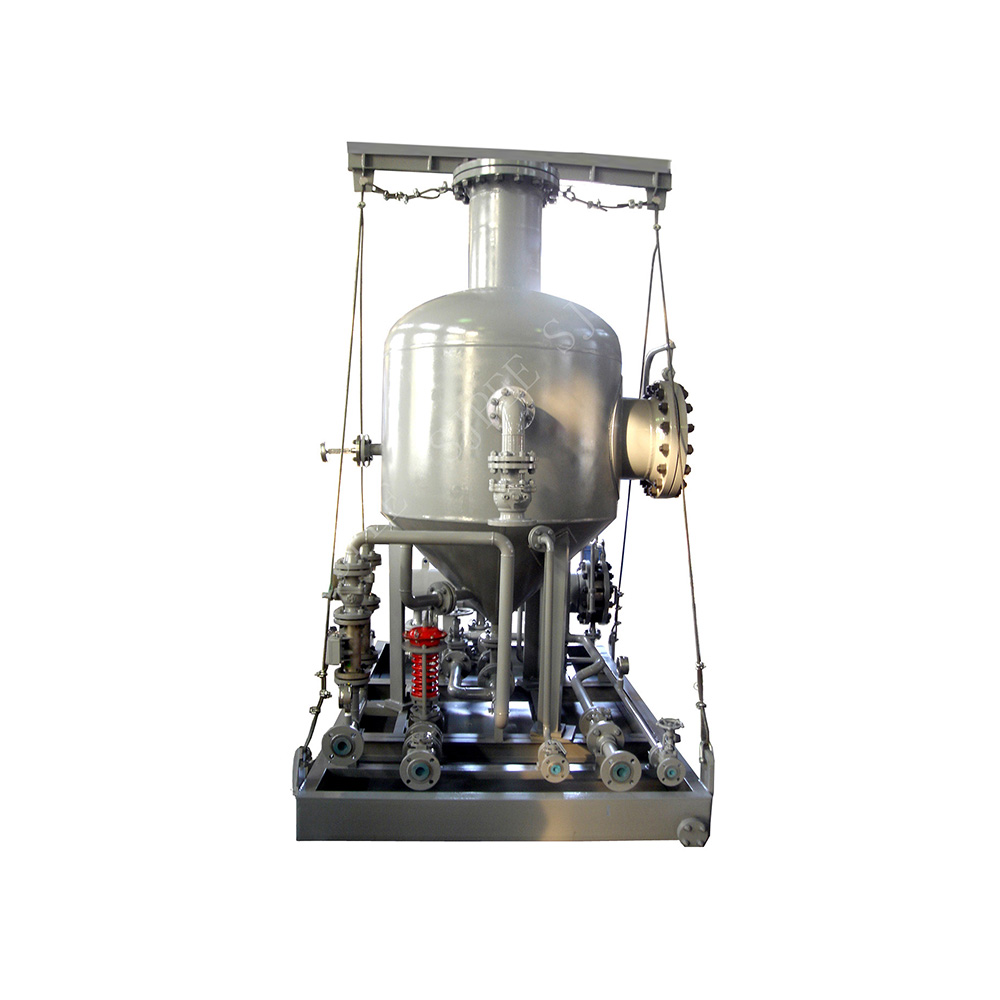
In the ever-evolving oil and gas industry, efficient separation technologies play a crucial role in optimizing production and ensuring environmental compliance. Recently, a breakthrough in flotation technology has garnered significant attention for its capability to improve separation efficiency within upstream and midstream operations. The newly developed compact flotation system offers a promising advancement by combining high separation performance with a reduced footprint, making it highly suitable for modern industry demands.
### Advancing Separation Technology in Oil and Gas
The company behind this innovative flotation solution has a long-standing commitment to developing a wide range of separation and filtration equipment tailored specifically for the oil and gas sector. Understanding the critical role of separation technologies in enhancing oil recovery and minimizing environmental impact, the company continually invests in research and development to refine its products. A key focus has been improving cyclone separation solutions, which have traditionally served as a reliable means to separate oil, gas, and water phases efficiently.
Building on these technical foundations, the development of the compact flotation system represents a significant leap forward. It integrates enhanced flotation mechanics with optimized design, addressing common challenges such as space constraints, energy consumption, and operational flexibility.
### The Benefits of Compact Flotation in Separation Processes
Flotation technology leverages the principle of differential buoyancy to separate desired phases from heterogeneous mixtures. Within oil and gas operations, flotation is commonly employed to remove fine suspended solids, oil droplets, and gas bubbles from produced water and other process streams. Traditional flotation units, however, tend to be bulky and may require considerable infrastructure and maintenance.
The newly introduced compact flotation system mitigates these challenges by reducing equipment size without compromising performance. Some of the notable benefits include:
- **Space Efficiency:** Its compact design allows easier integration into existing facilities, especially where space is limited. This makes it an excellent option for offshore platforms and onshore plants where footprint reduction is a priority.
- **Improved Separation Performance:** Enhanced internal flow dynamics and optimized air dispersion technologies increase the capture and separation rates of oil droplets and fine solids, leading to cleaner effluent streams.
- **Operational Flexibility:** The equipment is designed to efficiently handle variable flow rates and fluctuating contamination levels, adapting seamlessly to dynamic process conditions typical in oil and gas production.
- **Reduced Energy Consumption:** Innovations in the hydrodynamic design contribute to lower power requirements, aligning with industry goals for sustainable operations.
### Supporting Industry Needs Through Continuous Innovation
The company’s strategic emphasis on technological innovation is evident in its ongoing development of cyclone separation products. Cyclone separators have long been a mainstay in handling multiphase flows and removing bulk solids and liquids through centrifugal forces. By continually enhancing the design, material selection, and operational parameters of cyclone devices, the company ensures its products meet the growing complexity of oilfield conditions.
Integrating compact flotation technology into this portfolio allows for a more comprehensive approach to separation challenges. Operators can now rely on a multi-stage process where cyclones perform bulk phase separation, followed by compact flotation for fine polishing, thereby achieving higher purity outputs with streamlined procedures.
### Environmental and Economic Impacts
The oil and gas industry faces increasing pressure to minimize environmental footprints, particularly regarding produced water management and waste disposal. Efficient separation is critical in reducing oil content in water before discharge or reinjection, avoiding contamination and regulatory penalties.
The compact flotation solution contributes positively by delivering superior oil removal efficiency, sometimes achieving oil-in-water concentrations well below regulatory limits. This ensures compliance and reduces the need for downstream treatment stages, translating to cost savings.
Furthermore, the reduced size and energy consumption of the flotation unit help lower operational expenses. Smaller equipment footprints also mean simplified installation and maintenance, leading to lower lifecycle costs and improved return on investment for operators.
### Real-World Applications and Future Outlook
Early field trials and deployments of the compact flotation system have shown promising results across various oil and gas production environments — from offshore rigs to onshore processing plants. Feedback highlights the system’s adaptability to different fluid compositions and process conditions, confirming its versatility.
Moving forward, the company aims to deepen its R&D efforts, exploring further enhancements such as smart monitoring, automation integration, and hybrid separation approaches. By leveraging digital technologies and data analytics, future versions of separation equipment are expected to provide predictive maintenance, optimized performance tuning, and real-time operational insights.
The company’s dedication to advancing separation technologies aligns with industry trends targeting sustainability, efficiency, and operational excellence. Through innovations like compact flotation and continuously improved cyclone separators, the company is well-positioned to support the evolving needs of oil and gas operators worldwide.
### Conclusion
The introduction of a compact flotation system marks a milestone in separation technology for the oil and gas industry. By combining effective separation performance with a small footprint and energy efficiency, this innovation addresses key challenges faced by operators today. Supported by a legacy of developing robust cyclone separation equipment, the company continues to push the boundaries of what is possible in fluid separation, contributing to safer, cleaner, and more productive oil and gas operations.
As the industry moves toward more sustainable and cost-effective solutions, technologies like compact flotation represent essential tools that enable operators to maximize resource recovery while maintaining environmental stewardship. With ongoing development and successful application in the field, the future looks promising for this innovative separation technology and the company driving its advancement.