
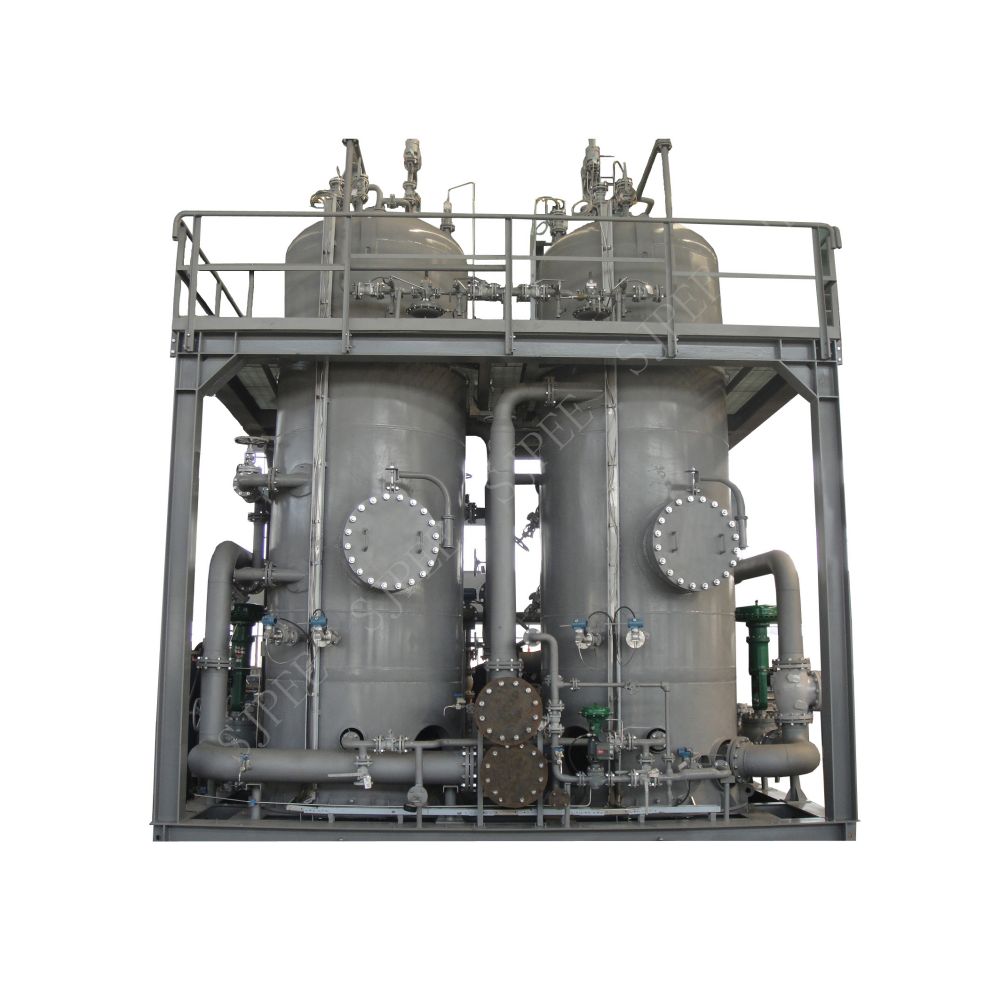
The oil and gas industry continuously seeks cutting-edge technologies to enhance operational efficiency and environmental compliance. Among the critical pieces of equipment used in these processes, hydrocyclones have gained significant attention due to their ability to separate solids from liquids efficiently. Recently, advancements in sieve hydrocyclone technology have demonstrated remarkable potential in optimizing separation processes, further reinforcing the importance of innovation in this sector.
Hydrocyclones are widely used in the oil and gas industry for separating particles from fluids, removing sand and other solids from drilling mud, and treating produced water. Sieve hydrocyclones, in particular, have emerged as a specialized type that combines the centrifugal force mechanism of conventional hydrocyclones with a sieve mechanism to improve solids separation. This hybrid design enhances performance outcomes, including higher separation efficiency and lower maintenance requirements.
A company at the forefront of these technological advances has consistently dedicated itself to the development of various separation and filtration equipment tailored for oil and gas applications. With a strong commitment to innovation, the company continuously refines its cyclone separation products and technologies to meet the evolving needs of the industry. Their work in sieve hydrocyclones exemplifies their mission to deliver high-quality, effective solutions that address the challenges faced by operators in complex environments.
The latest generation of sieve hydrocyclones incorporates several technological improvements that make them particularly suited for demanding oil and gas operations. First, the integration of sieve elements within the hydrocyclone body allows particulate matter above a certain size to be effectively removed without reliance solely on centrifugal forces. This dual-mechanism approach ensures that finer solids, which traditionally challenge conventional hydrocyclones, are trapped and separated out more consistently.
Second, material innovations have enabled these hydrocyclones to withstand harsh operating conditions, including high pressures, abrasive particles, and corrosive fluids frequently encountered in hydrocarbon extraction processes. Utilizing advanced alloys and specialized coatings, the equipment demonstrates enhanced durability and significantly reduces downtime due to wear or mechanical failure.
Furthermore, the design improvements also emphasize ease of maintenance and operational flexibility. Modular components allow operators to perform quick inspections and replacements without extensive disassembly, minimizing the interruption of critical production activities. This practical aspect is crucial in offshore and remote environments where resources and access are limited.
The impact of these advances on the oil and gas industry is far-reaching. Efficient solid-liquid separation directly translates to improved fluid quality downstream, protecting sensitive equipment such as pumps, valves, and separators from damage caused by particulate contamination. Moreover, better separation increases the effectiveness of subsequent treatment processes and reduces environmental impacts by improving waste management practices.
The company behind this technology underscores their vision to push the boundaries of what cyclone separation equipment can achieve. By leveraging ongoing research and development efforts, they seek to address key industry pain points such as increasing recovery rates, lowering operational costs, and meeting stricter environmental regulations. Their approach involves close collaboration with clients to tailor equipment specifications that align precisely with operational parameters and fluid characteristics.
Industry feedback has been positive, with many operators reporting enhanced performance and reliability using the new sieve hydrocyclones. Case studies indicate reductions in solids carryover, fewer equipment failures, and overall improved process stability. This positive reception validates the company’s strategy of focusing on technology-driven product evolution and customer-centric solutions.
Looking ahead, the company plans to further enhance their cyclone separation technologies by incorporating smart monitoring systems and automation features. The integration of sensors and real-time data analytics will enable predictive maintenance and process optimization, allowing operators to maximize asset utilization and minimize unplanned outages. This digital transformation aligns with the broader industry trends toward Industry 4.0 and the increasing emphasis on sustainability and cost-efficiency.
In summary, advancements in sieve hydrocyclone technology represent a significant step forward in solid-liquid separation for the oil and gas sector. Through continuous development and innovation, the leading company in this field demonstrates its enduring commitment to delivering high-performance separation equipment that meets the complex demands of modern hydrocarbon extraction. Their enhanced cyclone products not only improve operational outcomes but also contribute to safer, more environmentally responsible practices—key priorities in today’s energy landscape.
As the oil and gas industry evolves, the role of sophisticated separation equipment like sieve hydrocyclones will undoubtedly grow in importance. With ongoing investment in research, design improvements, and customer collaboration, this technology is set to play a pivotal role in shaping the industry’s future. Operators looking to optimize their processes and reduce environmental footprints can look to these innovative solutions as a crucial element in their operational toolkit.