
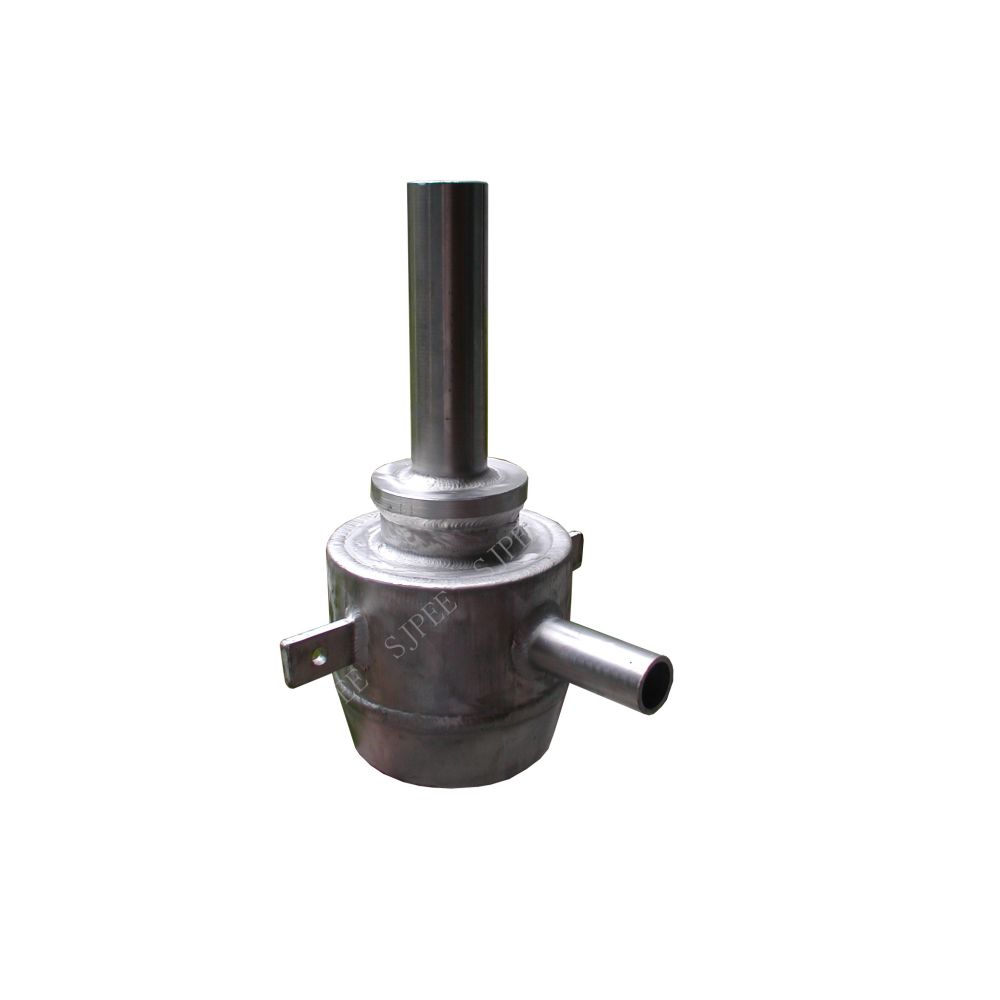
In recent years, the management and treatment of sewage sludge have become critical challenges across various industries, especially within the oil and gas sector. Effective sewage sludge dewatering not only helps in reducing waste volume and disposal costs but also plays a vital role in environmental protection and regulatory compliance. Building on a strong foundation of technical expertise and innovation, a leading company dedicated to separation and filtration equipment is making significant strides in improving sewage sludge dewatering technologies, enhancing operational efficiencies and sustainability in the oil and gas industry.
### The Importance of Sewage Sludge Dewatering
Sewage sludge dewatering is the process of removing water from sludge generated during wastewater treatment. This process is essential because it reduces sludge volume, lowers transportation and disposal expenses, and prepares the material for subsequent treatment or reuse. In the oil and gas industry, where wastewater contaminants can be complex and hazardous, optimizing sludge dewatering is especially challenging yet indispensable.
Traditional dewatering methods often face limitations such as incomplete water removal, high energy consumption, and difficulties in handling varying sludge compositions. Therefore, the development of advanced dewatering technologies has become a focal point for improving environmental outcomes and operational economics in oil and gas operations.
### Commitment to Advanced Separation Solutions
The company in focus has long been committed to designing and manufacturing a wide array of separation and filtration equipment tailored to the oil and gas sector’s unique demands. By continuously refining cyclone separation products and integrating cutting-edge technologies, the company has positioned itself as a key player in advancing industrial wastewater treatment solutions.
Cyclone separation technology, renowned for its simplicity, robustness, and efficiency, plays a crucial role in separating solids from liquids in wastewater streams. Improvements in cyclone designs have enabled better handling of fine particulates, enhanced separation efficiency, and reduced maintenance requirements. These advancements directly contribute to more effective sludge dewatering processes, ensuring cleaner discharge water and more manageable sludge.
### Breakthroughs in Sewage Sludge Dewatering Equipment
Leveraging extensive R&D efforts and industry insights, the company has developed new sewage sludge dewatering equipment that addresses several critical industry pain points:
- **Higher Solids Capture Rate:** The latest equipment features optimized cyclone geometries and enhanced filtration media that significantly improve the capture rate of suspended solids in sludge. This reduces the moisture content of the dewatered sludge, facilitating easier handling and disposal.
- **Energy Efficiency:** Innovative design improvements have reduced the energy demand of dewatering processes. By minimizing the reliance on mechanical components and maximizing gravity-driven separation, the equipment lowers operational costs and the environmental impact associated with energy consumption.
- **Adaptability to Variable Sludge Characteristics:** Oil and gas operations often generate sludge with fluctuating compositions due to different process streams. The new equipment incorporates adjustable parameters and modular components, enabling customization to specific sludge properties and operational requirements, thereby ensuring consistent dewatering performance.
- **Durability and Maintenance:** Engineered with corrosion-resistant materials and simplified mechanical setups, the dewatering systems require less downtime for maintenance. This reliability is crucial in the oil and gas sector, where operational continuity directly affects productivity and safety.
### Environmental and Economic Benefits
The improved dewatering solutions not only help oil and gas companies meet stringent environmental regulations by reducing sludge volume and improving waste handling practices but also offer considerable economic advantages. By minimizing sludge moisture content, companies reduce transportation weight and frequency, leading to lower logistical costs. Additionally, energy-efficient designs translate into lower utility expenses and a smaller carbon footprint, aligning operations with global sustainability goals.
Moreover, better dewatering processes create opportunities for sludge reuse. Dewatered sludge can be processed further for beneficial applications such as soil conditioning, energy recovery, or raw materials for manufacturing, fostering a circular economy approach.
### Industry Impact and Future Prospects
The integration of these advanced sewage sludge dewatering technologies reflects a broader industry trend toward smarter, more sustainable water and waste management practices in oil and gas. As environmental regulations tighten and operational costs rise, companies that invest in innovative separation equipment stand to gain competitive advantages through enhanced compliance, reduced waste management expenses, and improved corporate social responsibility profiles.
Future developments are expected to focus on digitalization and automation, incorporating sensors, real-time monitoring, and AI-driven process optimization to further boost dewatering efficiency and adaptability. Additionally, ongoing material science research will likely yield new filtration media and construction materials, enhancing the lifespan and performance of equipment in harsh operating environments.
### Conclusion
With its unwavering dedication to advancing separation and filtration technologies, the company continues to be at the forefront of solving one of oil and gas industry’s persistent challenges: efficient and sustainable sewage sludge dewatering. The combination of innovative cyclone technologies, energy-efficient designs, and adaptable equipment configurations equips clients with the tools necessary to meet today’s environmental and economic demands.
As the oil and gas sector evolves, the importance of effective wastewater and sludge management will only grow. Through ongoing innovation and a commitment to excellence, this company is helping to pave the way toward cleaner operations and a more sustainable energy future.