
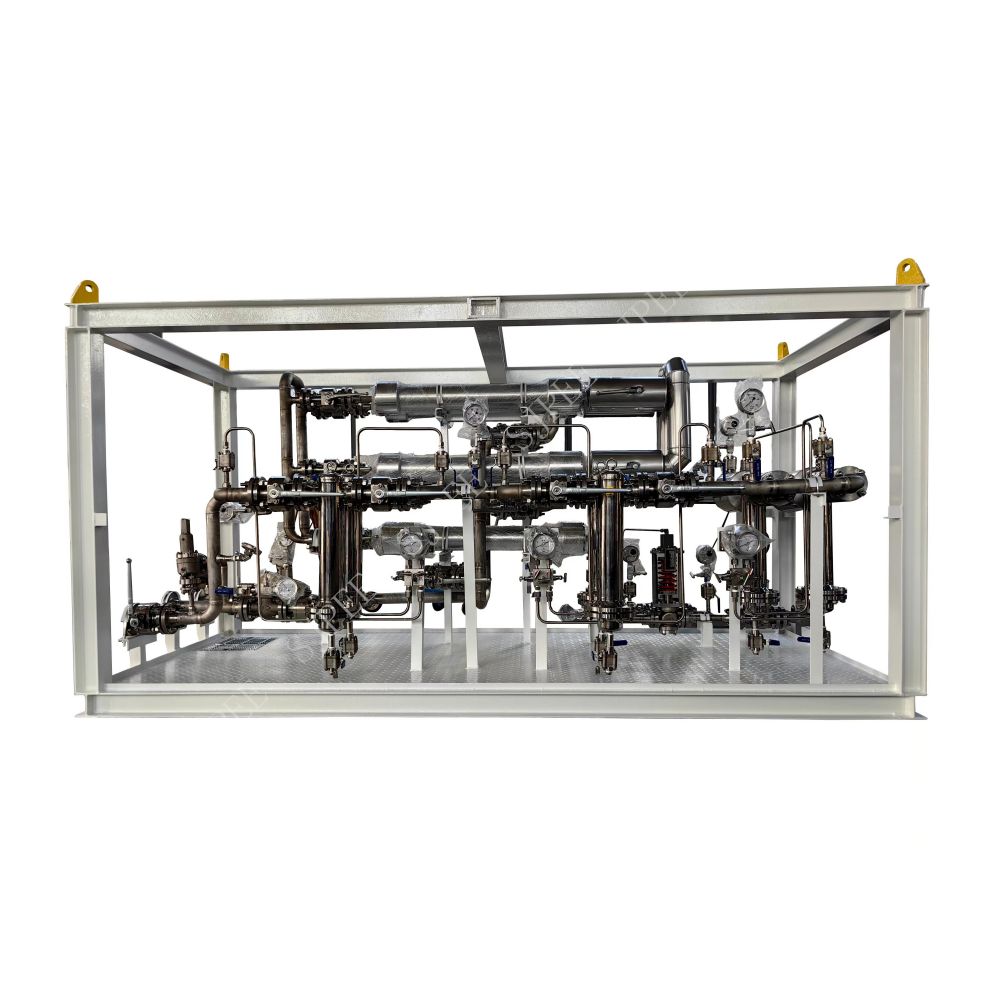
In the ever-evolving oil and gas sector, the separation of solids from oil, gas, and water streams remains a critical process. Efficient separation technologies not only ensure operational excellence but also contribute significantly to environmental protection and cost management. Recently, a leading company in the field has reinforced its commitment to advancing separation technologies, delivering cutting-edge solutions that cater to the complex needs of the industry.
### Commitment to Excellence in Separation Solutions
The company has long been dedicated to developing a broad range of separation and filtration equipment integral to oil and gas operations. Recognizing the growing challenges associated with processing increasingly complex mixtures of oil, gas, water, and solids, it continuously innovates to meet shifting industry demands. Central to the company’s technical focus is its ongoing development and refinement of cyclone separation products and technologies—a cornerstone for efficient solids removal.
Cyclone separators function on the principle of centrifugal force to effectively segregate solid particles from fluid streams without the need for moving parts, which ensures high reliability and low maintenance costs. These systems are crucial in sectors where rapid and effective phase separation has a direct impact on downstream processing and equipment longevity.
### Addressing Industry Challenges with Advanced Separation Technology
The oil and gas industry faces numerous challenges in handling produced fluids, from high solids loading to varying fluid compositions that can impair separation efficiency. Traditional separation systems can struggle with fluctuating operational conditions, leading to increased downtime and maintenance, and sometimes environmental risks due to improper handling of waste solids.
Responding to these challenges, the company’s latest innovations in cyclone separation technology feature enhanced designs that boost separation efficiency, reduce energy consumption, and extend equipment life. These advancements provide operators with more resilient and adaptable solutions capable of handling a wide range of feed conditions.
For instance, optimized cyclone geometries and materials have improved the handling of abrasive solids, while modular designs facilitate easier maintenance and scalability. The integration of smart sensors and automated control systems further empowers operators to monitor separator performance in real time, enabling predictive maintenance and reducing unexpected failures.
### Comprehensive Solutions Beyond Cyclone Separators
While cyclone separation improvements form the technological backbone, the company’s product portfolio extends into multiple facets of separation and filtration technologies. This includes mechanical desanders, filter elements, coalescers, and sophisticated water treatment units designed to meet stringent regulatory standards.
Together, these solutions ensure comprehensive treatment of oilfield fluids, from initial solids removal to final water polishing. Such a holistic approach not only enhances overall processing efficiency but also aligns with environmental stewardship by minimizing waste and emissions.
### Industry Impact and Customer Success Stories
The implementation of these advanced separation systems has led to marked improvements across numerous oil and gas operations worldwide. Customers report enhanced operational uptime, reduced maintenance costs, and higher quality outputs resulting from superior separation.
In offshore production platforms, for example, robust cyclone separators have enabled operators to handle variable feed compositions caused by changing reservoir conditions. Onshore, enhanced filtration solutions have improved the treatment of produced water, allowing for safer disposal or reuse, thus supporting sustainable production practices.
### Looking Ahead: Continuous Innovation and Collaboration
Committed to remaining at the forefront of separation technology, the company actively invests in research and development, collaborating with industry partners and academic institutions to pioneer next-generation solutions.
Future developments include leveraging digitalization and artificial intelligence to create smarter separation systems that can adapt dynamically to process changes and anticipate maintenance needs. Additionally, the company is exploring environmentally friendly materials and energy-efficient designs that contribute to reducing the industry’s carbon footprint.
### Conclusion
As the oil and gas industry navigates increasing technical and environmental challenges, the role of advanced solids separation technology has never been more crucial. Through relentless innovation and a comprehensive product lineup, the company continues to support operators in achieving safer, cleaner, and more efficient operations. Its focus on cyclone separation technology, complemented by its broad expertise in filtration and separation, positions it as a vital contributor to the sustainable future of oil and gas production.