
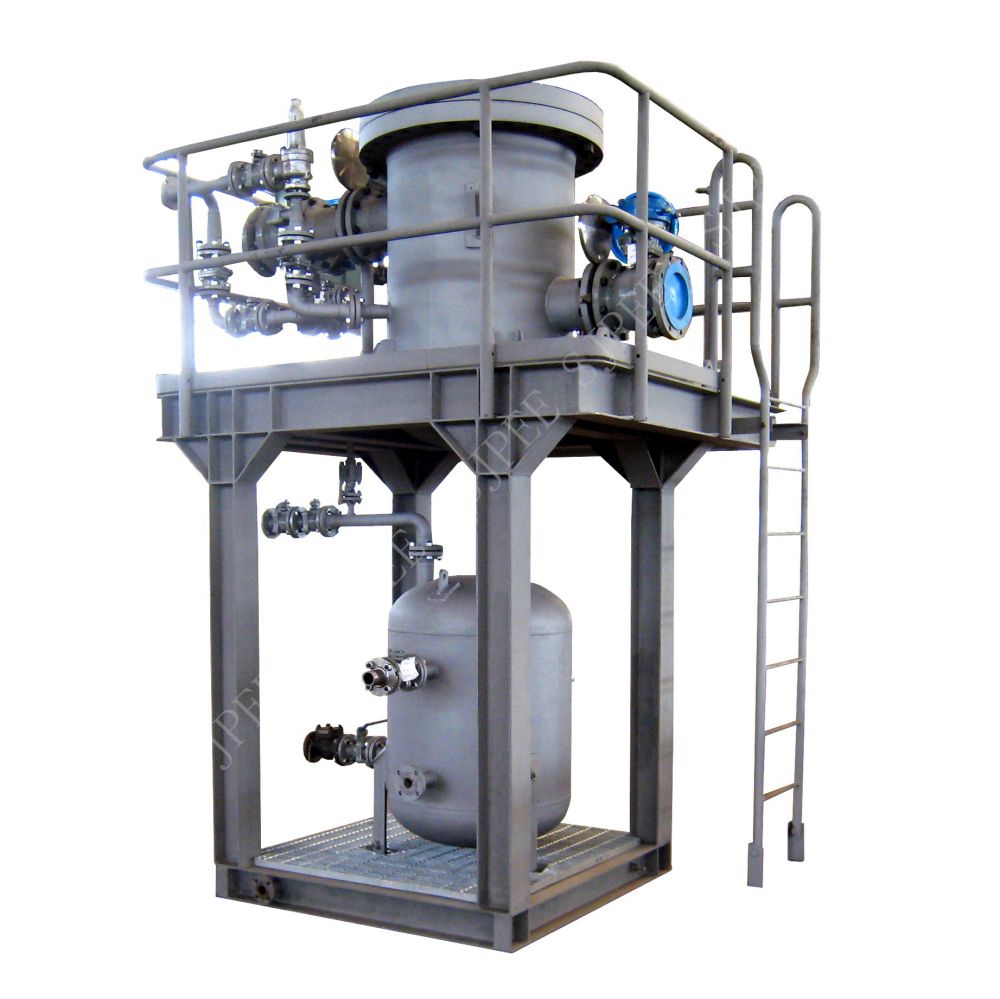
In an era where efficiency and sustainability are paramount, the oil and gas industry is witnessing significant technological breakthroughs aimed at optimizing production processes and environmental performance. Among these advancements, mechanical dewatering has emerged as a vital technique, offering enhanced separation capabilities to improve operational efficiency and reduce environmental impact.
Mechanical dewatering, a process that efficiently removes water from oil and gas mixtures, plays a critical role in upstream operations. By minimizing water content in crude oil, producers can reduce transportation costs, improve downstream processing efficiency, and meet stringent quality specifications. Moreover, effective water removal lessens the burden on water treatment facilities and helps companies comply with environmental regulations.
The company, a leader dedicated to engineering advanced separation and filtration equipment for the oil and gas sector, has consistently prioritized innovations in mechanical dewatering technology. Combining rich industry experience with ongoing research and development, the company has successfully enhanced the performance of cyclone separation equipment, which serves as the foundation for many mechanical dewatering systems.
**Advancing Cyclone Technology for Superior Separation**
Cyclone separators are widely used in oil and gas operations to separate solids and liquids from gas streams or to facilitate phase separation within liquids. The company’s commitment to continuous improvement in cyclone technology has yielded products that offer higher separation efficiency, greater throughput, and reduced operational costs.
Recent advancements include optimizing cyclone geometries and refining flow dynamics to increase water removal rates while maintaining oil recovery efficiency. These improvements enable operators to achieve better separation performance even in challenging conditions, such as variations in temperature, pressure, and varying water cut levels.
By integrating these enhanced cyclone separators into their mechanical dewatering systems, the company provides clients with robust solutions that improve water removal rates significantly, thus minimizing operational downtime and maintenance requirements.
**Tailored Solutions for Complex Industry Challenges**
The oil and gas industry faces diverse challenges depending on geographic location, reservoir characteristics, and production methods. Recognizing this, the company offers customizable mechanical dewatering solutions designed to handle a wide range of separation scenarios—from high-water-cut wells to complex emulsions in heavy oil production.
Utilizing advanced materials and precision engineering, their equipment delivers outstanding durability and resilience against corrosion and abrasion—common issues in harsh operating environments. Additionally, modular designs facilitate easy integration with existing production infrastructure, enabling smooth upgrades and scalability as operational needs evolve.
**Environmental and Economic Benefits**
Reducing produced water volumes through effective mechanical dewatering presents clear environmental advantages. By extracting water early in the production process, operators can limit the volume of fluid requiring treatment or disposal, reducing contamination risks and conserving water resources.
Economically, the benefits are equally compelling. Lower water content in transported oil translates into lighter shipments, reducing transportation costs and pipeline corrosiveness. Improved oil quality enhances refinery processing, potentially increasing yields and product value. Collectively, these factors contribute to stronger economics and increased competitiveness for producers.
**Commitment to R&D and Industry Collaboration**
The company’s leadership in mechanical dewatering is underpinned by its strong focus on research and development. Constantly exploring new technologies and materials, the company collaborates with research institutions, technology partners, and industry stakeholders to stay at the forefront of separation science.
This proactive approach ensures that their products not only meet current market demands but are also prepared to address future industry challenges such as increasingly stringent environmental regulations and the transition toward cleaner energy production.
**Looking Ahead: Innovation and Sustainability**
As the oil and gas sector navigates a complex energy transition, technologies like mechanical dewatering will remain essential tools for optimizing resource use and minimizing environmental impact. The company’s ongoing commitment to developing advanced separation and filtration equipment positions it as a key enabler for producing cleaner, more sustainable hydrocarbons.
By combining proven cyclone technology with innovative engineering and tailored solutions, the company continues to support operators worldwide in achieving operational excellence and environmental stewardship.
**About the Company**
The company has always been committed to developing various separation and filtration equipment essential to the oil and gas industry. Technically, it continuously develops and improves cyclone separation products and technologies to enhance efficiency, reliability, and environmental performance. With a reputation for innovation and quality, the company serves a global client base, driving advancements that support both current production needs and future sustainability goals.
---
This comprehensive overview highlights the pivotal role of mechanical dewatering and the company’s dedication to advancing separation technologies that propel the oil and gas industry forward, balancing operational efficiency with environmental responsibility.