
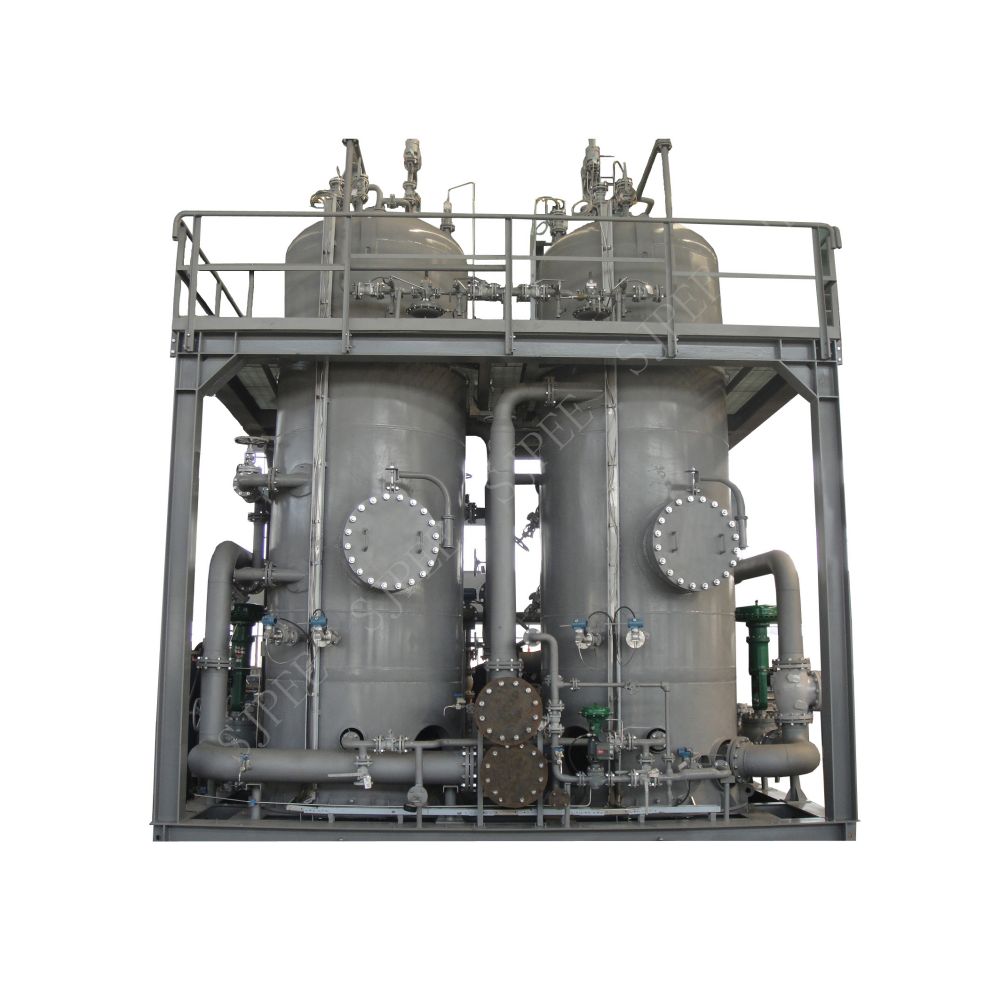
In recent years, the oil and gas industry has witnessed significant progress in separation and filtration technologies, essential for optimizing production processes and ensuring operational efficiency. One notable development revolves around innovative cyclone separation equipment designed to enhance the removal of impurities from oil, gas, and associated fluids. These advancements are crucial as the demand for cleaner, more efficient extraction methods grows alongside global energy needs.
The industry’s commitment to technological progress is exemplified by companies dedicated to developing a broad range of separation and filtration solutions. These enterprises focus on addressing the diverse challenges faced in oil and gas extraction, refining, and processing. Their efforts are centered on improving the reliability, effectiveness, and environmental compatibility of separation equipment used throughout the value chain.
A key area of innovation lies in cyclone separation technology. Cyclones are widely utilized for separating particles from gas and liquid streams by leveraging centrifugal force. This technique efficiently segregates solids and liquid droplets from gaseous mixtures, which is vital in preventing equipment wear, reducing environmental emissions, and enhancing product quality. The continuous improvement of cyclone designs aims to increase separation efficiency, reduce pressure drop, and accommodate a wider range of operating conditions.
Advances in materials science and engineering have played a pivotal role in elevating cyclone separators’ performance. Enhanced corrosion-resistant alloys and lining materials extend equipment lifespan, particularly in harsh oilfield environments where aggressive chemicals and abrasive particles are common. Additionally, computational fluid dynamics (CFD) modeling allows engineers to optimize cyclone geometries, resulting in tailored solutions for specific separation challenges.
Beyond cyclone separators, filtration equipment forms another pillar of the separation technology spectrum in the oil and gas sector. Filtration systems are employed to remove fine particulates, emulsified oils, and other contaminants from process streams. Integrating advanced filtration media and smart monitoring capabilities supports the reduction of downtime and maintenance costs while ensuring compliance with stringent environmental regulations.
The evolving landscape of oil and gas fields, including the development of unconventional resources and offshore discoveries, demands versatile separation solutions. Equipment must not only perform efficiently under varied operating pressures and temperatures but also adapt to changing fluid compositions. Innovations such as modular designs and scalable systems provide operators with flexibility to meet these diverse requirements and expand capacity as needed.
Sustainability considerations have further influenced the trajectory of separation equipment development. By minimizing waste generation and improving resource recovery, advanced separation technologies contribute to reducing the environmental footprint of oil and gas operations. Efforts to enhance energy efficiency within separation processes also align with broader industry goals to transition toward cleaner energy production.
Training and collaboration are integral to realizing the full potential of these technological advancements. Close cooperation between equipment manufacturers, operators, and research institutions fosters knowledge exchange and accelerates the adoption of best practices. Moreover, investment in operator training ensures optimal equipment use, maintaining performance standards and safety.
Looking ahead, continued innovation in separation technology is expected to focus on integrating digitalization and automation. Sensors and real-time data analytics enable proactive monitoring of separator conditions, facilitating predictive maintenance and minimizing unexpected failures. Smart control systems can dynamically adjust operating parameters, maximizing separation efficiency under fluctuating process conditions.
In summary, the ongoing development and refinement of cyclone separators and filtration equipment underscore the oil and gas industry’s dedication to operational excellence. By embracing advanced materials, design optimization, and digital tools, separation equipment providers deliver solutions that meet the complex challenges of modern energy production. These technological strides not only improve process efficiency and equipment longevity but also contribute to environmental stewardship—an increasingly vital aspect of the industry’s future.