
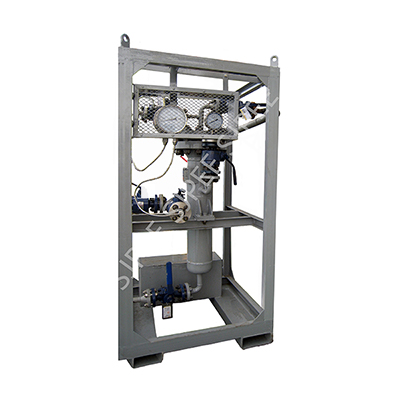
In the ever-evolving oil and gas sector, efficient separation and filtration technologies remain pivotal for optimizing operational performance and safeguarding environmental standards. A leading company dedicated to the development of advanced separation equipment has recently made significant strides in fine coarse sand separation technology. This breakthrough aligns with their longstanding commitment to delivering cutting-edge solutions tailored to the unique demands of the oil and gas industry.
**Pioneering Separation Equipment for Oil and Gas**
The company has built a reputation for specializing in the design and manufacture of a wide range of separation and filtration equipment integral to the oil and gas extraction and processing ecosystem. Recognizing the complexities involved in separating varying particle sizes, including fine and coarse sand contaminants, their research and development teams have focused on enhancing cyclone separation products — a critical technology in the field.
Cyclone separators leverage centrifugal force to segregate solid particles from fluids, ensuring cleaner outputs and minimizing equipment wear downline. The capacity to effectively remove fine and coarse sand particles addresses operational challenges such as pipeline abrasion, sediment buildup, and equipment downtime, translating into substantial cost savings and environmental benefits.
**The Challenge of Fine Coarse Sand in Oil and Gas Operations**
Sand contamination is a persistent issue in oil and gas production. During drilling and extraction, sand particles, ranging from minute fines to larger granules, are entrained in the produced fluids. These particles pose multifaceted problems: they can erode valves, clog pipelines, impair downstream processing units, and reduce overall system efficiency. Effective separation of these particles is therefore essential to maintain smooth operations and prolong equipment life.
Traditional separation methods often struggle to manage both fine and coarse sand fractions simultaneously, leading to inefficiencies and increased operational risks. This gap has prompted the company to innovate new hybrid technologies that integrate and enhance cyclone separation principles with supplementary filtration methods to capture a broader spectrum of particulate matter.
**Technological Advancements Driving Innovation**
Through continuous investment in research and technology improvements, the company’s engineering team has refined cyclone separation designs to maximize separation efficiency across varying particle sizes. By optimizing the geometry of the cyclones, adjusting flow dynamics, and incorporating advanced materials resistant to abrasion, the new equipment demonstrates superior durability and performance.
One notable advancement involves the integration of multistage cyclone arrays that sequentially separate coarse and fine sand. This staged approach ensures that heavier, larger particles are removed in the initial phase, while finer particulates are captured in subsequent stages. The resulting fluid output achieves significantly lower sand content, enhancing the quality of the processed materials.
Further, the company has incorporated real-time monitoring sensors and automated control systems within their equipment. This innovation allows for adaptive operational parameters, maintaining optimal separation efficiency under varying flow rates and sand concentrations, which is crucial in fluctuating oilfield conditions.
**Commitment to Sustainable and Cost-effective Solutions**
Beyond technological prowess, the company’s work is underscored by a commitment to sustainable and economically viable solutions. Efficient sand removal not only improves equipment lifespan but also minimizes environmental impact by reducing the need for frequent maintenance and preventing sediment discharge into surrounding ecosystems.
Their separation and filtration products are engineered to reduce energy consumption and facilitate easier maintenance, aligning with broader industry goals of reducing operational carbon footprints and enhancing overall sustainability.
**Industry Impact and Future Outlook**
The introduction of advanced fine coarse sand separation technology marks a significant milestone for the oil and gas industry, promising enhanced operational reliability and cost efficiencies. Early adopters of the company’s cutting-edge cyclone separation equipment report noticeable improvements in downstream processing stability and reduced unscheduled downtime.
Looking forward, the company plans to continue leveraging innovation to address emerging challenges in fluid-solid separation within oil and gas production. Ongoing R&D efforts focus on integrating artificial intelligence for predictive maintenance and further refining multi-contaminant separation capabilities.
**Conclusion**
In a sector where precision and reliability dictate success, the company’s advancements in fine coarse sand separation technology underscore their leadership and dedication to progress. By continuously evolving cyclone separation products and filtration equipment, they provide critical tools that empower oil and gas operators to optimize production, enhance equipment longevity, and uphold environmental stewardship.
As the oil and gas industry navigates a dynamic future, innovations like these separation technologies will be instrumental in sustaining efficient, safe, and environmentally responsible operations worldwide.