
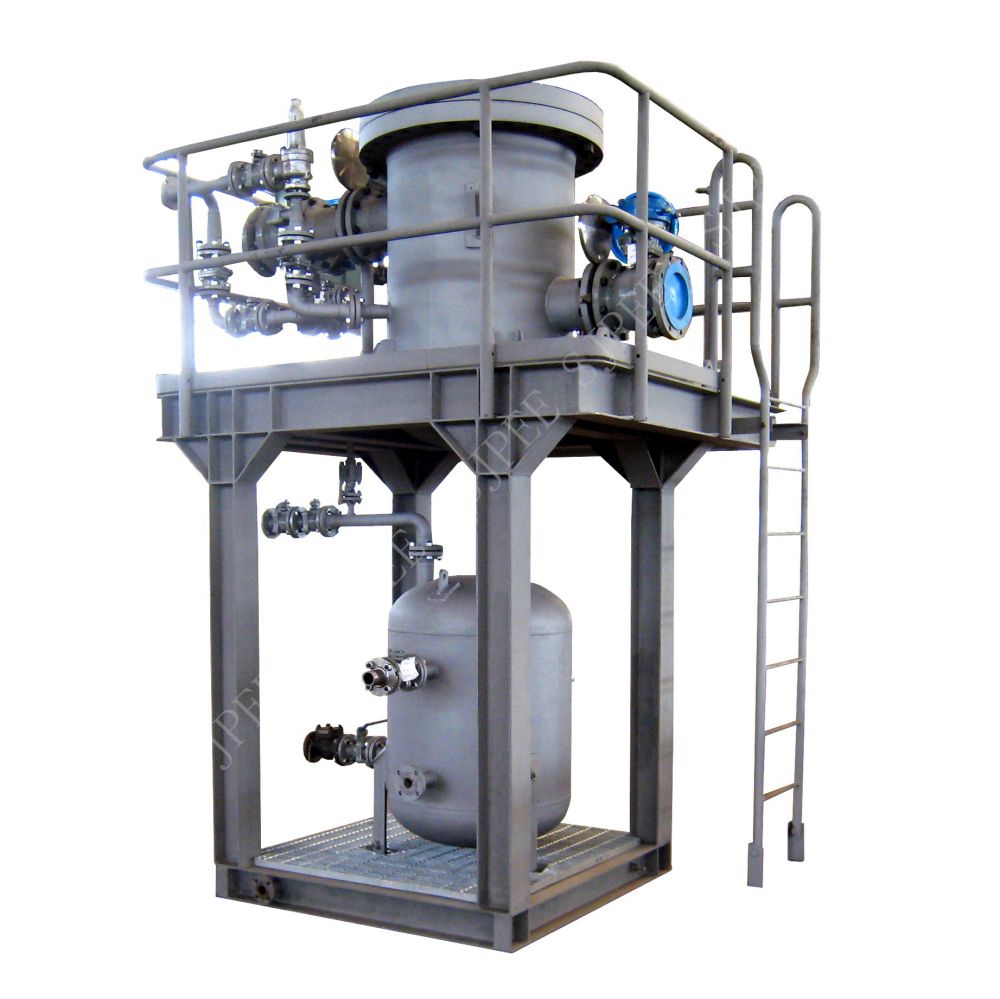
The oil and gas industry continually faces the challenge of managing vast quantities of wastewater generated during exploration, extraction, and production processes. Effective wastewater dewatering—the process of removing water from slurry or sludge—is vital for environmental compliance, operational efficiency, and resource recovery. Recently, significant advancements in wastewater dewatering technologies have emerged, promising improved separation performance, reduced environmental impact, and enhanced cost-effectiveness.
A company with a longstanding commitment to developing advanced separation and filtration equipment has been at the forefront of these innovations. Focused particularly on serving the oil and gas sector, the company has dedicated considerable technical resources to the continuous development and refinement of cyclone separation products and related technologies. Their efforts are helping to redefine industry standards in wastewater management.
### The Crucial Role of Wastewater Dewatering in Oil and Gas
Wastewater produced during oil and gas operations often contains a complex mixture of water, hydrocarbons, solids, and other contaminants. Proper dewatering ensures that solids and hydrocarbons are effectively separated from the water phase, enabling safer disposal, recovery of valuable materials, or reuse of the treated water. Failure to efficiently dewater wastewater poses risks such as environmental pollution, violation of regulatory standards, and increased operational costs.
The dewatering process typically involves mechanical and chemical methods aimed at reducing the water content in sludge or slurry. Conventional technologies, while effective to an extent, often face challenges related to throughput capacity, energy consumption, consistency of separation, and handling of diverse waste streams. This creates a pressing need for more robust, efficient, and adaptable solutions.
### Advanced Separation Equipment: Meeting Industry Needs
In response to these challenges, the company has leveraged its expertise to design and produce a range of separation equipment tailored to the oil and gas industry’s specific needs. Their product portfolio includes high-performance filtration systems and enhanced cyclone separators capable of handling complex waste streams with high solid content. The company’s approach integrates cutting-edge mechanical designs, materials science innovations, and process optimization strategies.
Cyclone separators, in particular, play an instrumental role in the company’s offerings. These devices utilize centrifugal forces to separate solids and liquids based on density differences, delivering rapid and efficient separation. By continuously refining the design of these cyclones—optimizing parameters such as inlet geometries, vortex finder dimensions, and outlet configurations—the company has succeeded in maximizing throughput and separation efficiency while minimizing maintenance and energy requirements.
### Technological Innovations Driving Efficiency
Several key technological advancements underpin the company’s recent successes in wastewater dewatering:
- **Enhanced Cyclone Geometry:** Through computational fluid dynamics (CFD) modeling and experimental testing, the company has optimized cyclone shapes to reduce turbulence and improve phase disengagement. This results in higher solids capture rates and cleaner water discharge.
- **Modular and Scalable Designs:** Understanding that oil and gas operations vary widely in scale and wastewater characteristics, the company has developed modular equipment designs. These configurations allow operators to scale capacity easily and tailor systems to specific process conditions without sacrificing performance.
- **Durable Materials and Coatings:** Given the abrasive and corrosive nature of oilfield waste streams, the company selects advanced materials and protective coatings to extend equipment lifespan, reduce downtime, and maintain consistent performance over time.
- **Integrated Filtration Solutions:** Beyond cyclones, the company integrates complementary filtration technologies including media filters and membrane systems, creating comprehensive treatment trains that address multiple contaminants simultaneously.
- **Automation and Monitoring:** Implementing smart sensors and control algorithms, the company's separation systems enable real-time performance monitoring and automated adjustments. This leads to optimized operation, early detection of issues, and improved overall reliability.
### Environmental and Economic Benefits
The deployment of these advanced wastewater dewatering solutions yields tangible benefits for oil and gas operators:
- **Improved Compliance:** Enhanced separation efficiency helps meet stringent regulatory standards by reducing the pollutant load in discharge water, mitigating environmental impact.
- **Resource Recovery:** Efficient solids removal facilitates the recovery of hydrocarbons and other minerals embedded in the waste stream, turning waste into actionable resources.
- **Cost Reduction:** By lowering water content in sludge, the volume and weight of waste requiring disposal are minimized, leading to reductions in transportation and landfill costs.
- **Operational Efficiency:** Reliable and scalable systems reduce downtime and maintenance needs, supporting uninterrupted production schedules.
- **Sustainability:** Better wastewater management aligns with broader corporate sustainability goals, contributing to reduced carbon footprints and improved public relations.
### Looking Ahead: Continuous Development and Industry Collaboration
The company’s dedication to advancing cyclone separation technology and filtration equipment reflects a broader commitment to innovation and customer-centric solutions. Moving forward, they plan to invest further in research and development, focusing on emerging challenges such as unconventional resource extraction, increasingly stringent environmental regulations, and the integration of digital technologies.
Collaboration with industry partners, academic institutions, and regulatory bodies forms a cornerstone of their strategy. By working closely with stakeholders, the company aims to anticipate future needs, develop cutting-edge products, and contribute to shaping best practices in wastewater treatment within the oil and gas sector.
### Conclusion
Effective wastewater dewatering remains a critical component of sustainable oil and gas operations. Through the development and continuous enhancement of specialized separation and filtration equipment—particularly advanced cyclone separators—this company is delivering solutions that address operational challenges and environmental responsibilities alike. Their innovative technologies provide oil and gas operators with powerful tools to manage wastewater more efficiently, safely, and economically, heralding a new era of performance and sustainability in the industry.