
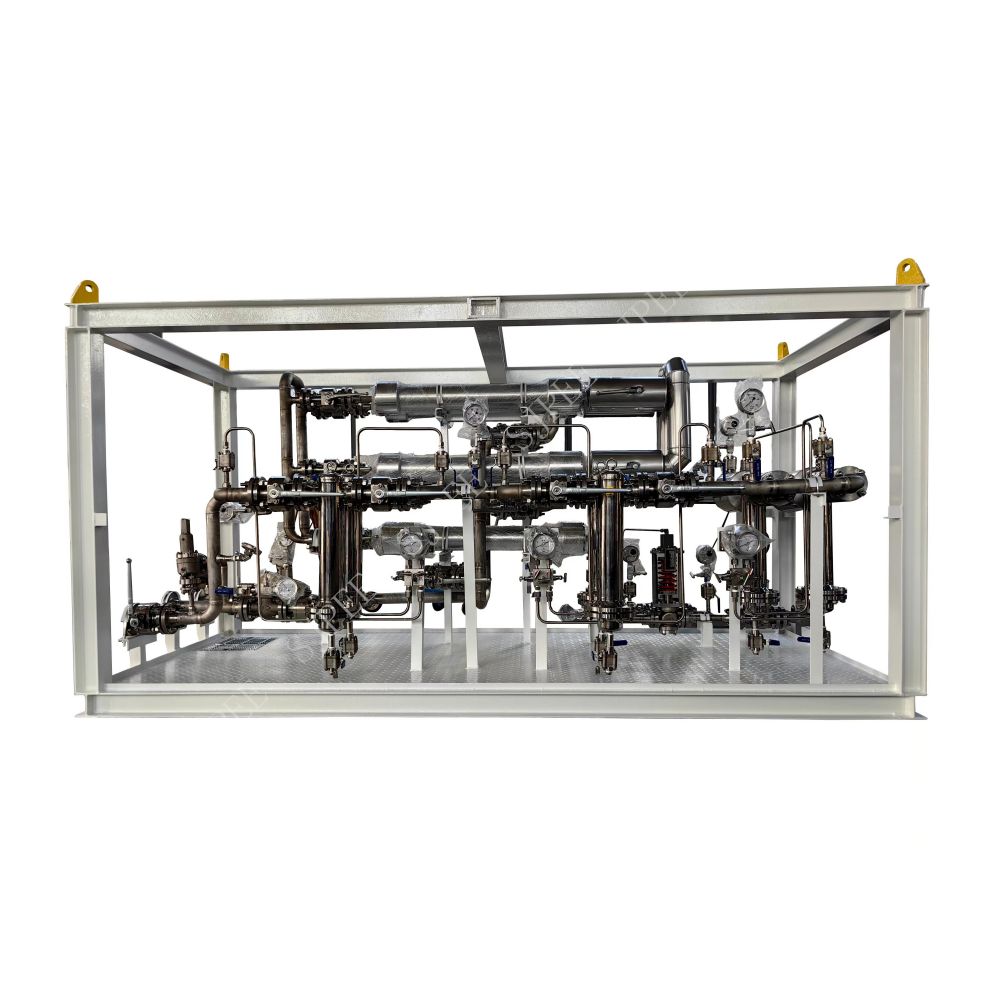
In the ever-evolving oil and gas industry, the demand for advanced separation and filtration solutions has never been higher. As exploration and production activities continue to deepen and diversify, the need for reliable and efficient equipment to handle complex fluid processing challenges is paramount. Responding to this critical industry demand, a leading company committed to the development of cutting-edge separation and filtration equipment has introduced significant enhancements in dewatering well technology, marking a new chapter in oil and gas fluid treatment.
### Elevating Industry Standards with Advanced Dewatering Solutions
Dewatering wells play a vital role in the oil and gas sector, facilitating the removal of water from liquid hydrocarbons to improve the quality and value of the extracted product. Effective dewatering reduces equipment corrosion, lowers transportation costs, and significantly enhances downstream processing efficiency. Recognizing these benefits, the company has concentrated efforts on refining their dewatering well technologies to provide operators with smarter, more reliable equipment.
This new generation of dewatering well solutions integrates advanced separation principles with robust design to handle a wide range of operational conditions. By effectively separating water from crude oil at the wellhead, these systems help maximize hydrocarbon recovery while complying with strict environmental standards.
### Continuous Development in Cyclone Separation Technologies
Central to the company’s innovation strategy is the continuous development and improvement of cyclone separation products and technologies. Cyclone separators are engineering marvels that utilize centrifugal forces to separate fluids of different densities without relying on filters or consumable elements, making them highly durable and maintenance-friendly.
The company’s technical teams have optimized the design of cyclone separators incorporated within their dewatering well solutions, enhancing separation efficiency and throughput. Modifications in vortex finder geometry, inlet designs, and pressure drop control have enabled more precise phase separation, even in challenging mixtures with variable water content and oil viscosities. This optimization reduces the carryover of water in crude oil streams significantly, minimizing processing bottlenecks further downstream.
Moreover, material advancements have been employed to increase resistance to abrasion and corrosion, ensuring the longevity of the equipment under harsh operating conditions commonly encountered in oilfields.
### Commitment to Customization and Industry-Specific Applications
Understanding that no two oil and gas fields are alike, the company emphasizes customization in its equipment offerings. The dewatering well solutions are designed to adapt to specific well conditions, fluid characteristics, and client operational preferences. Whether working in onshore or offshore environments, in conventional or unconventional reservoir settings, these tailored systems provide flexible and scalable solutions.
In addition to enhanced cyclone separators, the dewatering well technology often integrates with other separation and filtration components developed by the company. These include advanced mesh filters, coalescing units, and chemical injection systems, combined into comprehensive packages that streamline fluid handling and treatment processes.
### Environmental and Economic Benefits
Enhanced dewatering efficiency not only improves operational performance but also supports environmental objectives. By reducing water content early in the production process, operators reduce the volume of fluids requiring treatment and disposal, thereby minimizing environmental impact and compliance risks.
Economically, the benefits are clear: less water means lighter fluids transported and processed, reducing energy consumption and wear on equipment. Operators enjoy lowered operational expenditures (OPEX) and improved asset utilization. The company’s solutions help clients achieve these gains through reliability and technological innovations that minimize downtime and maintenance requirements.
### Industry Recognition and Forward-Looking Innovation
The company’s commitment to advancing oil and gas separation equipment has earned it recognition among industry experts and clients alike. Its continuous R&D efforts and willingness to push technological boundaries ensure that it remains at the forefront of separation technology providers.
Looking ahead, research is ongoing to incorporate digital monitoring and automation into the dewatering well systems. By integrating sensors and intelligent control algorithms, future iterations aim to provide real-time performance data and adaptive control, further optimizing separation processes and reducing human intervention.
### Conclusion
As the oil and gas industry faces increasing operational complexities and environmental scrutiny, the importance of efficient separation and filtration equipment cannot be overstated. The company’s enhanced dewatering well technologies, underpinned by advanced cyclone separation designs and a steadfast commitment to innovation, offer industry players the tools to meet these challenges head-on.
By providing customized, high-performance solutions, the company not only supports improved hydrocarbon recovery and processing but also helps clients advance sustainability goals and operational excellence. These developments underscore the company’s pivotal role in shaping the future of oil and gas fluid treatment technologies.
---
For more information on the company’s dewatering well solutions and other advanced separation equipment, interested parties are encouraged to contact their technical sales team or visit the company’s official website.