
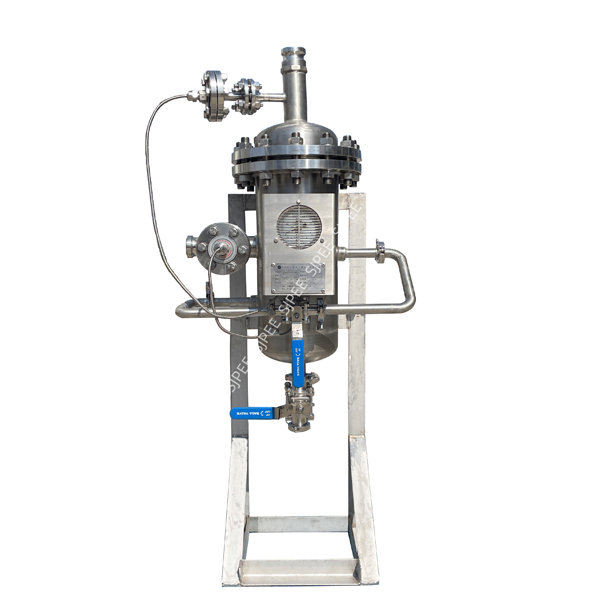
In recent years, the management of digestate has emerged as a crucial aspect of sustainable waste handling and environmental protection. Digestate dewatering, the process of removing excess water from organic digestate, is vital for reducing volume, improving transport efficiency, and enhancing the quality of end products such as fertilizers. As industries increasingly prioritize eco-friendly and resource-efficient technologies, advancements in digestate dewatering processes have captured significant attention.
At the forefront of this innovation is a leading company dedicated to developing state-of-the-art separation and filtration equipment tailored to the specific needs of the oil and gas sector. This commitment enables the company to deliver robust, efficient, and customizable solutions that not only improve operational efficiency but also address environmental challenges.
### The Growing Importance of Digestate Dewatering
Digestate, the post-fermentation byproduct of anaerobic digestion, contains a substantial amount of water—often exceeding 90% by volume. Dewatering this material is essential for several reasons:
- **Volume reduction:** Removing excess water significantly decreases transport and storage costs.
- **Improved handling:** Solid digestate is easier to manage, store, and apply as fertilizer.
- **Resource recovery:** Concentrated digestate contains valuable nutrients such as nitrogen and phosphorus.
- **Environmental impact:** Proper dewatering minimizes the risk of groundwater contamination and leachate formation.
Given these factors, advancements in dewatering technologies are critical for sustainable waste management across agriculture, biogas production, and increasingly, within the oil and gas industry, where handling of organic waste and produced water is a routine challenge.
### Cutting-Edge Separation Technologies Driving Efficiency
The company behind these advances has consistently committed itself to innovation in separation technologies, specifically designed to meet the stringent demands of the oil and gas industry. Their expertise lies in the development of various separation and filtration equipment capable of handling complex, variable mixtures under harsh operational environments.
A key technological focus for the company has been the enhancement of cyclone separation products. Cyclones use centrifugal forces to separate solids from liquids or gases, offering an efficient, chemical-free, and low-maintenance approach to dewatering. By relentlessly improving cyclone designs and integrating novel materials and configurations, the company has elevated performance metrics such as throughput capacity, separation efficiency, and operational durability.
In recent projects related to digestate dewatering, the company has applied these advanced cyclone technologies to successfully reduce moisture content in digestate streams. This results in:
- **Higher solids recovery rates**, maximizing the usable biomass after dewatering.
- **Lower residual moisture**, improving the quality and stability of the digestate.
- **Enhanced operational resilience** to handle variable feedstocks with minimal downtime.
Such technological achievements exemplify the company's role as a leader in providing separation solutions that can adapt across industries, especially where fluid-solid separations are complex and mission-critical.
### Aligning Industry Needs with Sustainable Solutions
The evolving regulatory landscape and growing environmental consciousness demand that waste management technologies not only meet performance standards but also embrace sustainability principles. The company’s approach to developing separation equipment mirrors this imperative:
- **Energy efficiency** is embedded in the designs, aiming to reduce operational carbon footprints while maintaining processing speeds.
- **Modularity and scalability** ensure that solutions can be customized, serving small-scale digesters as well as large industrial operations.
- **Robust material selection** guarantees equipment longevity even under the corrosive and abrasive conditions typical of digestate treatment and oil and gas waste streams.
- **Easy maintenance and automation** reduce operational overhead and improve safety for plant operators.
By focusing on these attributes, the company fosters a closer integration of environmental stewardship with industrial efficiency.
### Broader Impact and Future Directions
The success of these separation technologies in digestate dewatering reflects a broader trend toward cross-industry knowledge transfer. Innovations initially developed for the oil and gas sector’s demanding separation challenges now benefit renewable energy and waste management operations worldwide. This cross-pollination drives the emergence of versatile, high-performance equipment that can address multiple environmental and economic pressures simultaneously.
Looking ahead, the company plans continued investment in research and development, exploring advances such as smart sensor integration, real-time process monitoring, and artificial intelligence-driven optimization. These enhancements promise to push the boundaries of what separation technologies can achieve, making digestate dewatering and similar processes more intelligent, adaptive, and sustainable.
### Conclusion
Digestate dewatering is an essential process for sustainable waste and resource management, playing a pivotal role in reducing environmental impact and enhancing operational efficiencies. Through dedicated innovation in separation and filtration equipment—especially advanced cyclone technology—the company continues to set new standards in performance and reliability.
By merging cutting-edge technology with a commitment to sustainability and industry-specific needs, the company not only supports the oil and gas sector but also contributes meaningfully to global environmental goals. This dynamic approach ensures that digestate dewatering and other complex separation challenges are met with solutions that combine engineering excellence with a vision for a cleaner, more efficient future.