
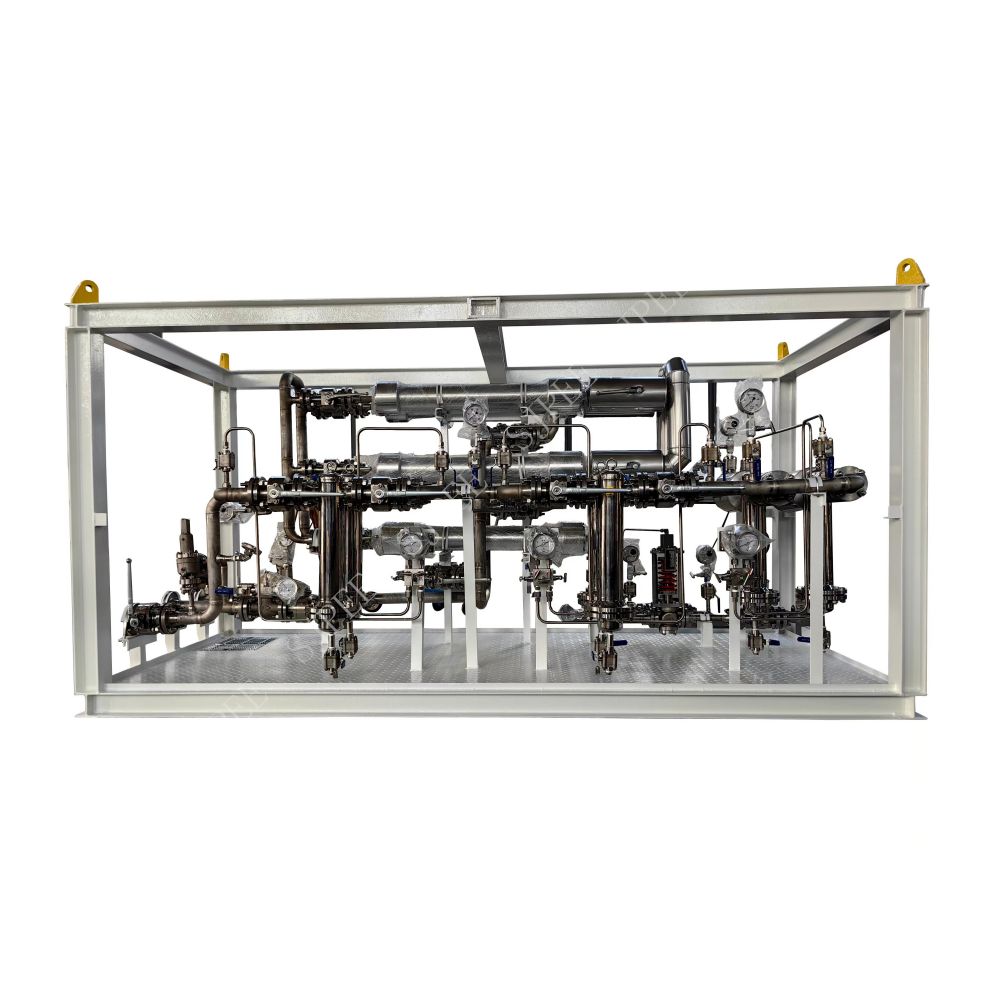
In the ever-evolving oil and gas sector, efficient separation and filtration processes remain critical to maintaining operational excellence, reducing environmental impact, and ensuring regulatory compliance. Among these processes, solids dewatering—a method of removing water from solid materials—has gained significant attention due to its ability to optimize waste management and enhance resource recovery. Recent advancements in solids dewatering technology are setting new benchmarks for performance and reliability, empowering companies to tackle complex separation challenges with greater ease.
A leading industry player renowned for its unwavering commitment to developing high-quality separation and filtration equipment underscores this trend. With a focus on innovation and technical excellence, the company continuously advances its cyclone separation products and related technologies to meet the stringent demands of the oil and gas industry.
### The Critical Role of Solids Dewatering in Oil and Gas Operations
Solids dewatering is an essential component in managing byproducts generated during oil and gas extraction and processing. It involves reducing the moisture content of solids, which often consist of drilling cuttings, sludges, and other waste materials. Efficient dewatering not only minimizes the volume of waste requiring disposal but also facilitates the recycling of water and recovery of valuable hydrocarbons entrained in the solid phases.
Moreover, the process addresses environmental concerns by enabling safer disposal practices and reducing the risk of contamination to surrounding ecosystems. Enhanced solids dewatering technologies allow operators to comply with increasingly rigorous environmental regulations while optimizing operational costs.
### Continuous Technological Development in Separation Solutions
The company has consistently positioned itself at the forefront of developing sophisticated separation equipment tailored for the oil and gas sector. Its product portfolio includes various types of filtration devices and separation apparatus designed to handle the challenging conditions typical in hydrocarbon production.
A particular emphasis is placed on cyclone separation technology—a mechanical separation technique using centrifugal force to segregate particles from fluids. Cyclones are widely praised for their simplicity, robust construction, and effectiveness in removing solids from liquids.
By continually refining cyclone designs, improving materials of construction, and integrating advanced control systems, the company ensures that its separation products deliver superior performance and durability. This dedication to innovation directly benefits clients by enhancing operational uptime and reducing maintenance costs.
### Recent Innovations in Solids Dewatering Equipment
Recent enhancements in solids dewatering solutions integrate advanced cyclone separation principles with modern filtration methodologies. These innovations include optimized cyclone geometries for improved particle separation efficiency, enhanced wear-resistant materials for longer service life, and automated operational controls that allow real-time monitoring and adjustment of processing parameters.
Such improvements enable more thorough removal of water from solids, producing drier solids that are easier and safer to handle and dispose of. Additionally, the increased efficiency supports better recovery of process water, promoting sustainable water management practices crucial in areas with limited freshwater availability.
### Meeting the Oil and Gas Industry’s Evolving Needs
The oil and gas industry faces ongoing challenges such as increasing regulatory scrutiny, fluctuating market conditions, and the imperative to enhance sustainability. In response, equipment suppliers must deliver solutions that not only meet technical requirements but also contribute to environmental stewardship and economic efficiency.
The company’s comprehensive approach—combining its expertise in separation and filtration with continuous technological advancement—positions it as a trusted partner for oil and gas operators worldwide. Its focus on cyclone separation innovation aligns with the industry’s needs to handle a wide range of feedstock characteristics, from heavy sludge to fine particulate suspensions.
### Commitment to Quality and Customer-Centric Solutions
Beyond technological innovation, the company emphasizes quality assurance and customer service. Rigorous testing and quality control protocols ensure that every piece of equipment performs reliably under demanding field conditions. Customization options allow clients to tailor solutions to their specific operational contexts, thereby achieving optimal separation outcomes.
Furthermore, the company provides comprehensive support services, including technical consulting, training, and after-sales maintenance, fostering long-term partnerships with its clients.
### Looking Ahead: Future Prospects for Solids Dewatering
As global energy demand evolves and environmental regulations become even more stringent, the role of solids dewatering in the oil and gas industry is expected to grow. Advances in digitalization, materials science, and process engineering will continue to drive improvements in separation and filtration technologies.
The company remains dedicated to investing in research and development to anticipate and meet future industry challenges. By pushing the boundaries of cyclone separation and incorporating emerging technologies, it strives to deliver more efficient, sustainable, and cost-effective solids dewatering solutions.
### Conclusion
Effective solids dewatering is a cornerstone of efficient, sustainable oil and gas operations. Through its steadfast commitment to innovation and quality, the company provides cutting-edge separation and filtration equipment that addresses the critical needs of the industry. The continuous development of cyclone separation technology and related products underscores its role as a leader in enhancing solids dewatering processes, helping clients optimize production, reduce environmental impact, and achieve lasting operational success.