
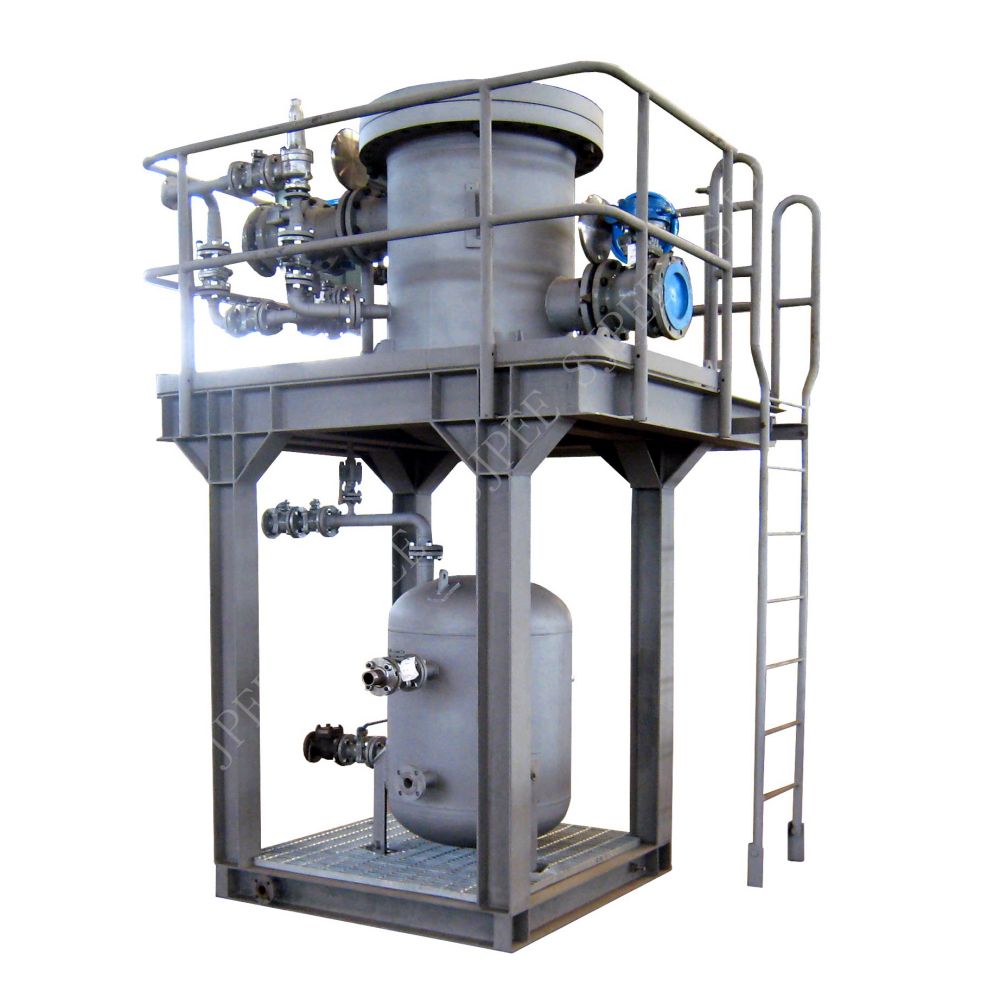
In a significant development for the oil and gas sector, the introduction of advanced pit mud dewatering technology is revolutionizing waste management and environmental protection practices. This new technology, which focuses on the effective separation and removal of solids from pit mud, is maintaining the highest standards of operational efficiency while addressing critical environmental concerns.
The company behind this breakthrough has long been dedicated to the research and development of various separation and filtration equipment tailored specifically to the unique needs of the oil and gas industry. Their commitment to technical innovation and continuous improvement has positioned them at the forefront of cyclone separation technology, a critical process in enhancing the performance and sustainability of oil and gas operations.
### The Challenge of Pit Mud in Oil and Gas Operations
In oil and gas extraction and processing, managing drilling fluids and pit mud is a longstanding operational challenge. Pit mud, a byproduct of drilling activities, consists of a mixture of water, clay, rock cuttings, and other particulate matter. Its disposal and treatment require robust solutions to minimize environmental impact, comply with regulations, and reduce operational costs. Improper handling of pit mud can lead to soil contamination, groundwater pollution, and operational inefficiencies.
Conventional methods of pit mud management often fall short due to their limited capacity in separating fine solids effectively and the high volume of liquid waste produced. As a result, these methods generate substantial solid waste requiring further processing or landfill disposal, and liquid effluents that demand treatment before discharge.
### Advancements in Pit Mud Dewatering Technology
The newly introduced pit mud dewatering technology utilizes advanced cyclone separation techniques, leveraging centrifugal forces to accelerate the separation of solids from liquids. This process improves the efficiency of separating fine particles suspended in drilling fluids, resulting in drier, more manageable solid waste and clearer fluids suitable for recycling or further treatment.
This technology's innovative design incorporates enhancements that optimize flow dynamics within the separation chamber, maximizing dewatering rates while minimizing fluid loss. Such advancements make the system particularly valuable in managing the complex mixtures typical of oil and gas pit mud. Operators benefit from reduced waste volumes, lower disposal costs, and decreased environmental risks associated with pit mud handling.
### Company Commitment to Industry-Specific Solutions
The company’s extensive experience and focus on separation equipment development have played a pivotal role in the evolution of this cutting-edge technology. By concentrating efforts on cyclone separation products, they have fine-tuned the technology to meet the rigorous demands of oil and gas applications.
Their research and development initiatives emphasize adaptability, durability, and performance. As a result, their solutions deliver consistent separation efficiency even under harsh operational conditions. The integration of this pit mud dewatering technology into existing waste management workflows facilitates seamless adoption by oil and gas operators.
Moreover, the company’s holistic approach extends beyond equipment manufacturing. Through comprehensive technical support and customization services, they ensure clients maximize the benefits of their separation technologies. This end-to-end commitment underscores the company’s leadership in providing sustainable and cost-effective waste management solutions.
### Environmental and Economic Benefits
The environmental advantages of this pit mud dewatering technology are profound. By significantly reducing the water content in pit mud, the volume of liquid waste requiring treatment or disposal is minimized. This reduction lowers the risk of soil and water contamination, aligning with evolving environmental regulations and sustainability goals within the oil and gas industry.
In addition, by producing drier solid waste, the technology simplifies transport and disposal processes. Operators experience diminished logistical challenges and costs associated with waste handling. The recovered cleaner water also allows for reuse in drilling operations, conserving valuable resources and reducing freshwater consumption.
From an economic perspective, increased operational efficiency translates into cost savings on multiple fronts. The reduced need for waste treatment chemicals and disposal fees contributes directly to improved profit margins. Furthermore, the technology’s reliability and ease of integration reduce downtime and maintenance expenses, enhancing overall productivity.
### Looking Ahead: Continuous Innovation and Industry Impact
The oil and gas industry is poised to benefit significantly from ongoing advancements in separation and filtration technologies. The evolving challenges of environmental compliance, resource optimization, and operational efficiency demand solutions that are innovative and adaptable.
This company’s dedication to continual development of cyclone separation products ensures that their technologies remain at the cutting edge. Future enhancements are likely to focus on automation, energy efficiency, and integration with digital monitoring systems, further enhancing performance and user experience.
Ultimately, the adoption of advanced pit mud dewatering technology exemplifies the industry’s shift towards more sustainable practices without compromising operational excellence. It empowers operators to minimize environmental footprints, optimize resource utilization, and maintain competitiveness in a dynamic market.
### Conclusion
The introduction of state-of-the-art pit mud dewatering technology marks a milestone in oil and gas waste management. By harnessing refined cyclone separation techniques, this innovation addresses one of the industry’s critical challenges with a solution that is both environmentally responsible and economically advantageous.
Supported by a company with a proven track record in separation equipment development and a deep commitment to technical excellence, this technology sets new standards for efficiency and sustainability in oil and gas operations. As the industry continues to evolve, such innovations will play a crucial role in shaping a more sustainable energy future.