
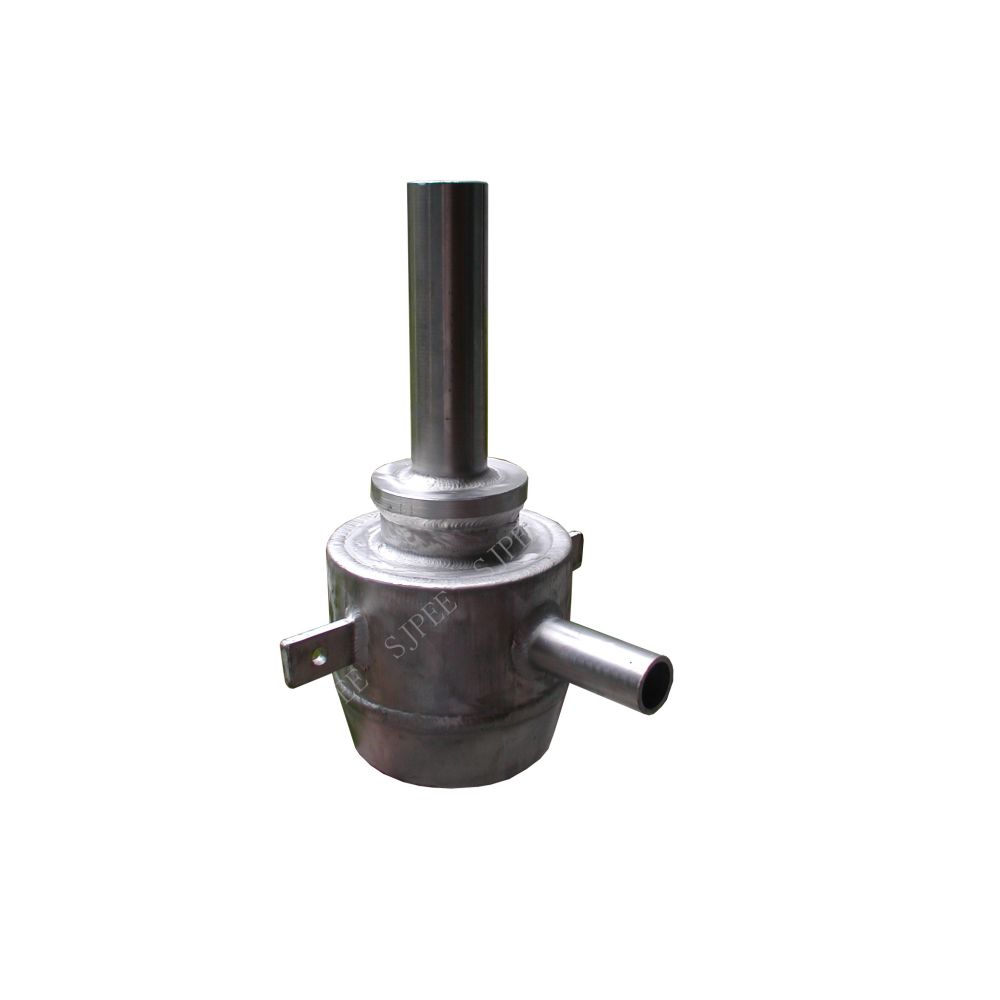
In response to the growing environmental and operational challenges faced by the oil and gas industry, advancements in dewatering water treatment technologies are playing a pivotal role in optimizing resource management and ensuring regulatory compliance. Emphasizing innovation and technical excellence, one leading company at the forefront of this development continues to enhance its portfolio of separation and filtration equipment, delivering cutting-edge solutions tailored to the complexities of oilfield water management.
### Meeting the Industry’s Critical Needs
Water produced during oil and gas extraction processes often contains significant quantities of hydrocarbons, solids, and other contaminants that must be effectively removed before discharge or reuse. Proper treatment of this produced water is essential not only to minimize environmental impact but also to reduce operational costs and increase overall resource efficiency.
Recognizing these challenges, the company has dedicated itself to developing robust dewatering water treatment systems designed to efficiently separate water from oil and solids. These systems leverage advanced cyclone separation technologies—a core area of the company’s expertise—which utilize centrifugal forces to enhance the separation process, delivering superior performance in a compact footprint.
### Cyclone Separation Technology: A Proven Approach
Cyclonic separation has long been a cornerstone technology within the oil and gas sector due to its ability to quickly and reliably separate multiphase mixtures. The company’s ongoing commitment to refining cyclone separation products underpins its mission to introduce equipment that offers greater efficiency, durability, and adaptability to varying field conditions.
Enhanced cyclone separators streamline the dewatering process by rapidly removing oil and fine solid particles from water, resulting in cleaner effluent that meets strict environmental discharge standards. These improvements not only help operators comply with regulatory frameworks but also enable the recovery of valuable hydrocarbons, thereby improving asset utilization.
### Advanced Filtration Solutions Complementing Separation Systems
In addition to its cyclone separators, the company has expanded its offerings to include a range of filtration equipment designed to address the diverse needs of produced water treatment. These filtration systems work in tandem with the initial separation step, targeting residual contaminants such as suspended solids, emulsified oils, and dissolved substances.
By integrating multi-stage filtration with advanced separation, the company enables a holistic treatment approach that maximizes water recovery and supports water reuse initiatives—a growing priority amid tightening environmental regulations and water scarcity concerns.
### Customizing Equipment for Field Applications
Understanding that each oilfield presents unique operational conditions and water chemistry, the company places significant emphasis on customization. Its engineering teams collaborate closely with clients to design and deploy systems that match specific flow rates, contaminant profiles, and site constraints.
This client-centric approach ensures that solutions not only achieve the desired treatment outcomes but also maintain operational reliability and ease of maintenance over their lifecycle. Continuous feedback loops and rigorous performance monitoring allow the company to iteratively enhance product designs and meet evolving industry demands.
### Commitment to Sustainable Operations
The company’s innovations in dewatering water treatment reflect a broader commitment to sustainable and responsible resource management within the oil and gas industry. By enabling more efficient water treatment and reuse, these technologies reduce the environmental footprint associated with produced water disposal and freshwater consumption.
Moreover, improved separation and filtration equipment contribute to safer operations by minimizing the risk of equipment fouling and pipeline corrosion, thus reducing downtime and associated environmental hazards.
### Looking Ahead: Future Developments
As the oil and gas sector increasingly adopts digitalization and smart technologies, the company is actively exploring the integration of sensors and automation within its water treatment solutions. Real-time monitoring and adaptive control systems promise to further optimize performance, reduce energy consumption, and enable predictive maintenance.
Additionally, research and development efforts continue to focus on expanding the capability of cyclone separators and filtration units to handle emerging contaminants and more complex water chemistries encountered in unconventional and deepwater reservoirs.
### Conclusion
Water management challenges in the oil and gas industry demand innovative and reliable treatment solutions. Through continuous technological development and a deep understanding of separation and filtration processes, the company remains a trusted partner for operators seeking effective dewatering water treatment systems.
By advancing cyclone separation technology and broadening its filtration offerings, the company not only enhances operational efficiency and environmental stewardship but also supports the industry’s transition toward more sustainable and economically viable practices. This dedication to innovation ensures that the company will continue to play an integral role in shaping the future of produced water treatment globally.