
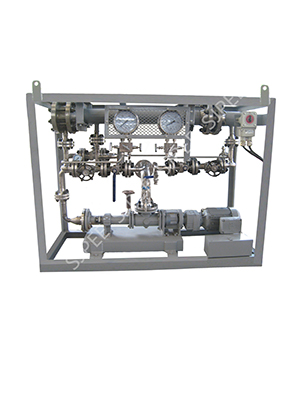
In the fast-evolving landscape of the oil and gas industry, effective separation and filtration technologies play a critical role in optimizing production, ensuring environmental compliance, and enhancing overall operational efficiency. Recent advancements in dewatering treatment technologies have emerged as a key solution to address the challenges associated with water management in hydrocarbon extraction and processing. Leveraging cutting-edge separation equipment, these innovations are setting new standards for performance and reliability across the sector.
Water management remains one of the most complex issues in oil and gas operations. Produced water — water that comes out of the reservoir along with oil and gas — often contains various solids, hydrocarbons, and chemical additives. This mixture requires thorough treatment before reuse or disposal to minimize environmental impact and comply with stringent regulatory frameworks. Dewatering treatment technologies focus on the removal of water from oil or sludge, aiming to reduce volume, improve product quality, and streamline waste handling.
Building on years of technical expertise and industry experience, a leading company dedicated to the development of separation and filtration equipment has recently advanced its portfolio of dewatering treatment solutions. The company has a long-standing commitment to innovation in oil and gas equipment, continuously enhancing the design and functionality of cyclone separation products — devices that utilize centrifugal force to efficiently separate components based on density differences. Through sustained research and development efforts, the company’s cyclone separators have become dependable cornerstones for oil-water-solid separation processes worldwide.
The latest generation of dewatering treatment equipment integrates improved cyclone separation technology with novel filtration approaches, achieving multifaceted benefits. Enhanced cyclone geometries and materials allow for higher throughput and more consistent separation efficiency under varying operational conditions. These improvements enable operators to achieve a higher degree of water removal from crude oil or oily sludge streams, thus reducing the volume of water requiring downstream processing and lowering operating costs.
Moreover, advanced filtration solutions complement cyclone separation by targeting fine suspended solids and emulsified oils that traditional methods might miss. By combining these technologies, the overall system delivers clean, reusable water suitable for reinjection or safe discharge while maximizing hydrocarbon recovery. This holistic approach to dewatering treatment supports the oil and gas industry’s goals of sustainable production and environmental stewardship.
Beyond technical performance, the company emphasizes robustness and ease of maintenance in its equipment design. Oilfield environments demand systems that can withstand harsh conditions, including abrasive particulates, corrosive fluids, and wide temperature ranges. The modern dewatering units incorporate durable materials and simplified assembly to reduce downtime and maintenance costs. Field engineers appreciate modular components that facilitate rapid replacement and inspection, ensuring uninterrupted operation in remote or offshore locations.
The impact of these advances in dewatering treatment is especially pronounced in mature oilfields where water cut — the ratio of water to hydrocarbon produced — tends to increase over time. Efficient removal of produced water not only improves the quality of export crude but also alleviates the load on disposal or treatment facilities. This ability to adapt to changing reservoir characteristics extends the productive life of oil fields and enhances economic returns.
Industry feedback underscores the reliability and effectiveness of these separation and filtration solutions. Operators report improved separation performance, reduced environmental footprint, and compliance confidence with regulatory requirements. By optimizing water management, companies can focus resources on core production activities while minimizing the risks associated with water contamination and waste handling.
Looking ahead, continuous innovation remains the company’s guiding principle. Research efforts are underway to integrate digital monitoring and control systems with dewatering equipment, enabling real-time performance optimization and predictive maintenance. These smart technologies promise to deliver further gains in efficiency and operational safety, aligning with the broader trends of digital transformation in the oil and gas sector.
In summary, the development of sophisticated dewatering treatment equipment exemplifies the vital role of separation and filtration advancements in modern oil and gas operations. Through persistent innovation and a customer-focused approach, leading technology providers are equipping the industry with the tools needed to meet today’s challenges and prepare for the future. Enhanced cyclone separation technologies combined with complementary filtration capabilities offer reliable, high-performance solutions that reduce environmental impact and support sustainable hydrocarbon production worldwide.
This progress reflects the company’s enduring commitment to providing state-of-the-art equipment tailored to the demanding requirements of the oil and gas industry. As operators continuously seek ways to improve efficiency and meet environmental standards, the role of advanced dewatering treatment remains pivotal. With ongoing development and collaboration, the next generation of separation technologies will continue to drive operational excellence and sustainability across the global energy landscape.