
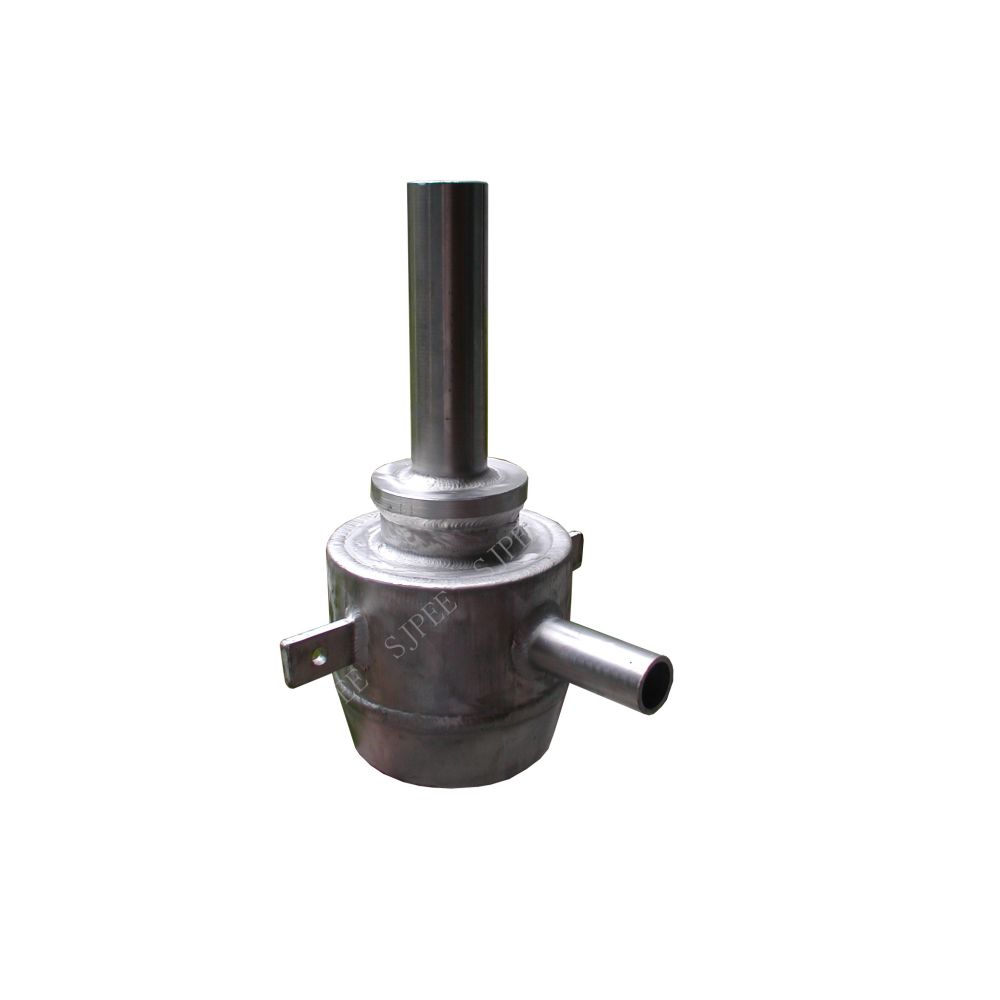
The oil and gas industry continuously faces the challenge of optimizing the separation and filtration processes essential for efficient production and environmental compliance. Dewatering, a critical step in the treatment of produced fluids, plays a vital role in separating water from oil, gas, and solids. Recent developments in dewatering technologies offer promising solutions to enhance operational efficiency and sustainability.
**Understanding Dewatering and Its Types**
Dewatering is the process of removing water from solids or liquids to improve the quality and manageability of the product. In the oil and gas sector, dewatering aims primarily at separating produced water from hydrocarbons and solids to meet pipeline specifications and environmental standards.
Several types of dewatering technologies are utilized in the oil and gas industry, each suited to specific applications depending on the characteristics of the fluid and solids involved:
1. **Mechanical Dewatering**
Mechanical dewatering involves the use of equipment such as centrifuges, hydrocyclones, and filter presses. These devices apply centrifugal forces or filtration mechanisms to physically separate water from solids or hydrocarbons. This method is widely adopted due to its efficiency and ability to handle large volumes of fluids rapidly.
2. **Thermal Dewatering**
Thermal methods use heat to evaporate water from the mixture, commonly seen in processes such as thermal desorption or steam distillation. While effective, thermal dewatering can be energy-intensive and is typically reserved for scenarios where mechanical means are insufficient.
3. **Chemical Dewatering**
Adding chemical agents like flocculants or coagulants accelerates the aggregation of fine solids, enabling easier water separation. This type often complements mechanical processes to improve sludge dewatering and wastewater treatment.
4. **Biological Dewatering**
In some cases, biological treatment methods reduce water content by biodegrading organic substances, though this approach is more relevant for wastewater treatment outside the immediate operational fluids.
**Innovations Driving Dewatering Efficiency**
The ongoing development of separation equipment continues to improve the effectiveness and reliability of dewatering systems. Technical advancements particularly focus on refining cyclone separation technology, a pivotal method in the oil and gas industry.
Cyclones utilize centrifugal force to segregate particles based on density differences. Enhancements in cyclone design—such as optimized vortex geometry, improved materials, and enhanced wear resistance—have increased their durability and separation efficiency. This ensures better water removal, reduced maintenance downtime, and lower operational costs.
Furthermore, integrating advanced sensors and automated control systems enables real-time monitoring and adjustment of dewatering parameters. This intelligent approach minimizes human error and adapts to variations in fluid composition, facilitating continuous optimal performance.
**Company Commitment to Separation and Filtration Technology**
A leading company in this field has been steadfast in its commitment to developing diverse separation and filtration equipment tailored to the oil and gas industry’s evolving needs. Recognizing the critical role of dewatering, they invest heavily in research and development to advance cyclone separation products and associated technologies.
Their approach combines deep industry expertise with cutting-edge engineering, aiming to deliver equipment that not only meets but exceeds client expectations. The continuous improvement philosophy ensures that the separation products evolve with the emerging challenges and regulatory requirements faced by operators worldwide.
By focusing on cyclone technologies, the company addresses one of the industry’s most effective mechanical separation methods. Their innovations contribute to enhancing the capacity, efficiency, and reliability of dewatering systems, resulting in better water management and higher hydrocarbon recovery rates.
**Impact on the Oil and Gas Sector**
Modernized dewatering technologies significantly impact oil and gas operations in several ways:
- **Environmental Compliance**: Enhanced water removal reduces the environmental footprint by minimizing harmful discharge and enabling water recycling or safe disposal.
- **Operational Efficiency**: Improved separation equipment decreases processing times and energy consumption, increasing throughput and reducing costs.
- **Safety and Reliability**: Advanced filtration and separation systems mitigate slurry build-up and equipment corrosion, minimizing downtime and safety hazards.
- **Product Quality**: Effective dewatering ensures hydrocarbons meet pipeline quality standards, preventing penalties and ensuring marketability.
**Future Outlook**
With growing environmental regulations and the industry's relentless pursuit of efficiency, the evolution of dewatering technologies remains a priority. Continued innovation in cyclone separation and other mechanical dewatering techniques will be crucial. Combining these technologies with digitalization and predictive maintenance promises a future where the oil and gas sector operates with greater sustainability and profitability.
The company's dedication to perfecting separation and filtration equipment aligns perfectly with this trend, positioning it as a key contributor to the industry's advancement. As dewatering challenges evolve, so too will the solutions, driven by technological excellence and strategic vision.
**Conclusion**
Dewatering remains a cornerstone process within oil and gas production, directly influencing environmental outcomes, operational effectiveness, and economic viability. Through diversified dewatering types—including mechanical, thermal, and chemical methods—and a particular focus on cyclone separation advancements, the industry is well-equipped to meet current and future challenges.
Committed to continuous innovation, key players in equipment development drive the evolution of separation technologies, offering robust, efficient solutions. This progress not only supports industry growth but also safeguards environmental stewardship, ultimately contributing to sustainable energy development.