
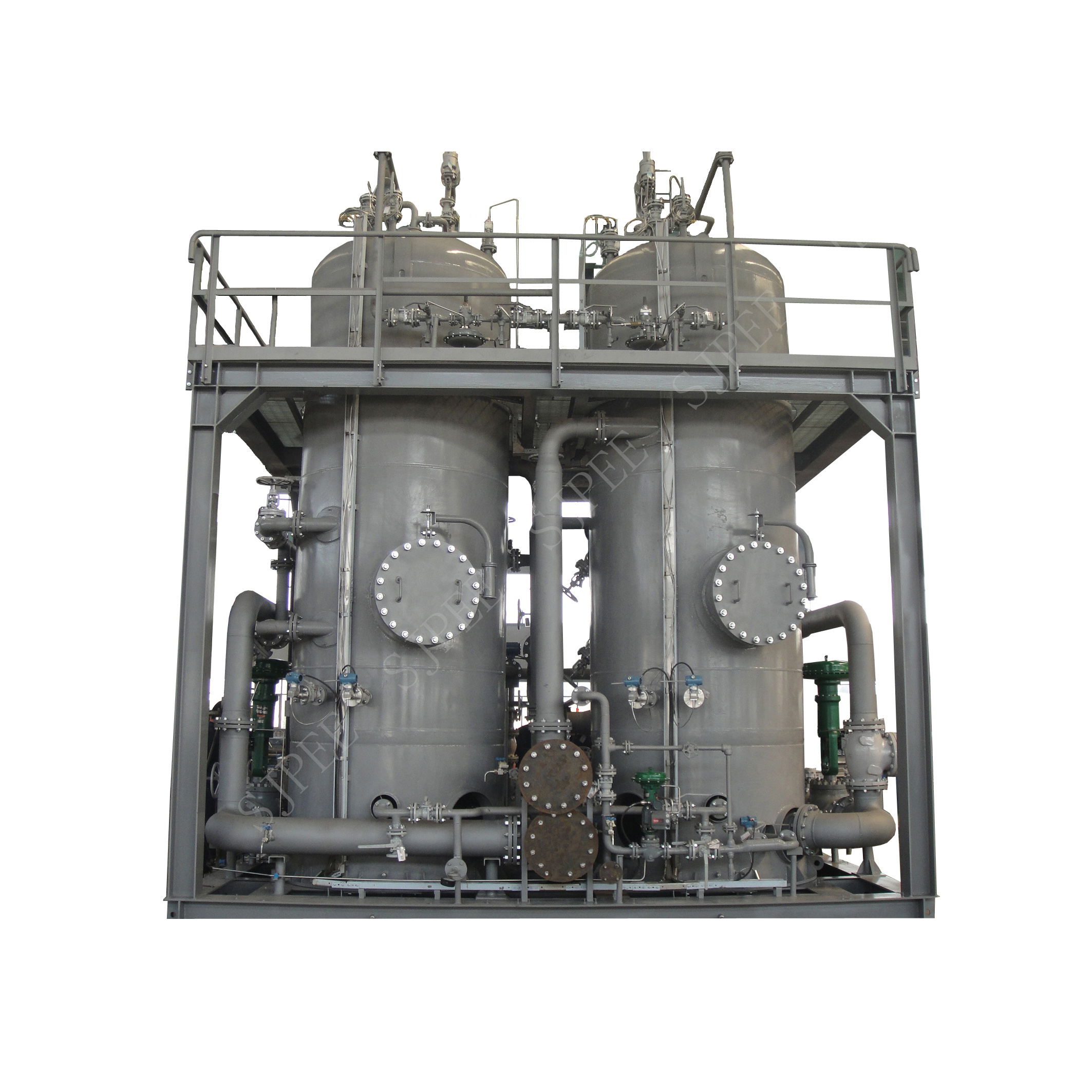
In the dynamic world of construction and the oil and gas industry, the management of groundwater and effective dewatering solutions are critical to ensuring project safety, stability, and environmental compliance. Recent developments in construction dewatering and groundwater control technologies have ushered in new opportunities for enhancing operational efficiency and minimizing environmental impact.
A company with a long-standing commitment to innovation in separation and filtration equipment continues to play a pivotal role in this sector. With extensive experience in developing advanced cyclone separation products and technologies, the company’s efforts provide essential support to oil and gas operations by improving water management solutions, thereby reducing downtime and increasing productivity.
**The Importance of Construction Dewatering and Groundwater Control**
Construction projects, especially those involving excavation below the water table, frequently encounter challenges with groundwater ingress. Uncontrolled water inflow can lead to unsafe working conditions, structural instability, and increased project costs. Effective dewatering techniques are therefore indispensable in managing these risks by lowering groundwater levels and diverting water away from construction sites.
Groundwater control technologies not only protect infrastructure but also address environmental concerns associated with water discharge and contamination. They enable the filtering and treatment of extracted water before its safe release or reuse, minimizing the ecological footprint of construction activities.
**Technological Innovations in Separation and Filtration**
The company has distinguished itself by focusing on the development of cutting-edge separation and filtration equipment tailored for the oil and gas sector’s demanding requirements. Cyclone separators, a key element in their product range, play a crucial role in removing suspended solids, hydrocarbons, and other impurities from water streams.
Cyclone technology leverages centrifugal force to separate contaminants based on density differences, providing an efficient, chemical-free method of water treatment. The company’s continuous improvement of cyclone separation products has led to enhanced performance metrics such as higher separation efficiency, greater durability, and easier maintenance.
In combination with filtration systems, these separators deliver comprehensive solutions that can handle the complex mixtures often encountered in oilfield water management, including drilling fluids, produced water, and flowback fluids. The modularity and scalability of the equipment allow customization to meet specific site requirements and regulatory standards.
**Applications in Oil and Gas Industry**
Water management is critical throughout the lifecycle of oil and gas projects—from exploration and drilling to production and site remediation. The company’s separation and filtration systems are integral to processes such as:
- **Drilling Fluid Recycling:** Efficient separation of drill cuttings and solids from drilling mud saves on material costs and reduces environmental disposal issues.
- **Produced Water Treatment:** Production activities generate large volumes of water containing oil residues, suspended solids, and chemicals. Advanced separation technology facilitates high-volume treatment to allow water reuse or environmentally compliant discharge.
- **Hydrocarbon Recovery:** Cyclone separators help recover valuable hydrocarbons from wastewater streams, enhancing resource efficiency.
By providing reliable equipment that meets the rugged demands of the field, the company contributes directly to improving operational sustainability and regulatory compliance within the oil and gas sector.
**Environmental and Economic Benefits**
The integration of advanced dewatering and groundwater control technologies brings significant environmental advantages. Efficient filtration and separation reduce contaminants in discharged water, protecting aquatic ecosystems and groundwater quality. This aligns with increasingly stringent environmental regulations and corporate sustainability goals.
From an economic standpoint, these technologies help lower project costs by reducing downtime caused by water-related delays, minimizing the quantity of consumables like drilling muds, and cutting disposal expenses. The ability to recycle and reuse water also reduces the overall water footprint of operations—an important factor in water-stressed regions.
**Future Outlook**
Ongoing research and development efforts are expected to yield even more sophisticated water management solutions. The company remains at the forefront by continually innovating cyclone separation technologies while exploring integration with digital monitoring and automation systems. Such advancements aim to optimize equipment performance, provide real-time data for better decision making, and further reduce environmental impact.
As the oil and gas industry faces growing pressure to enhance sustainability, resource efficiency, and safety, the role of effective construction dewatering and groundwater control cannot be overstated. With its proven technical expertise and commitment to innovation, the company is well positioned to support these industry demands and contribute to the success of current and future projects.
**Conclusion**
The challenges of water management in construction and oil and gas operations necessitate reliable, effective solutions for dewatering and groundwater control. Through continuous development and enhancement of cyclone separation and filtration equipment, the company demonstrates its dedication to driving industry progress. By improving water treatment capabilities, reducing environmental risks, and cutting operational costs, these technologies pave the way for safer, more efficient, and more sustainable project execution.